EPS: the missing piece in home energy resilience
For households looking to become more energy resilient, one of the most important features to consider when choosing a solar battery system is EPS (Emergency Power Supply).

EPS (Emergency Power Supply) is a backup function in a compatible solar battery and hybrid inverter setup that can supply electricity to designated essential appliances and circuits when the public mains grid fails.
In practical terms, that could mean keeping selected lights on, powering a fridge or freezer, keeping broadband equipment running and supporting other essential household equipment during a power cut.
A properly specified system can help a household remain comfortable and connected while waiting for the grid supply to be restored.
How does an EPS-enabled solar battery work?
Under normal operating conditions, solar panels generate electricity for the home. Any surplus can be stored in the battery rather than exported immediately to the grid. The stored electricity can then be used later, including in the evening when solar generation has stopped.
If the public electricity supply fails, a compatible system with an appropriately configured EPS function can disconnect its designated backup circuits from the grid and supply them from the battery and, where available and supported, the solar panels.
This is an important safety requirement: a backup system must prevent electricity from being fed back into the public network during an outage.
The precise operation depends on the inverter, battery, system configuration and installation. Not every solar battery or inverter offers this functionality, and some systems require additional switching equipment or a dedicated backup circuit. Depending on the system, there may also be a brief interruption before backup power becomes available.
What could you power during a blackout?
An EPS-enabled battery system can be designed around the appliances that matter most to your household.
Essential household need | Potential backup use |
|---|---|
Lighting | Keep selected rooms illuminated |
Fridge and freezer | Help preserve food during an outage |
Broadband equipment | Keep the router and any required fibre connection equipment powered |
Mobile phones and laptops | Keep devices charged |
Selected sockets | Power suitable low-demand appliances |
Heating controls | Maintain control systems where compatible |
Selected pumps or other equipment | Support compatible loads within system limits |
Keeping broadband equipment powered may help maintain internet access, but it also depends on your provider’s network remaining operational.
It is important to understand that EPS does not necessarily power the entire house. The available backup power is limited by the inverter’s output rating, the battery’s discharge capability and the circuits connected to the backup supply. Appliances’ starting currents also need to be considered.
Electric showers, immersion heaters, electric ovens and other high-power appliances can exceed the available backup output or quickly use up stored energy. Households with heat pumps or other substantial electrical loads need careful system design to establish what can realistically operate during an outage.
How long the backup lasts depends on the usable energy remaining in the battery and how much electricity the connected appliances consume. A battery supporting a few lights and a router will generally last longer than the same battery supplying several demanding appliances.
EPS can also provide backup at night, when solar panels are not generating electricity, provided enough charge remains in the battery. During an overnight outage, that stored energy must support the connected appliances until the grid returns or sufficient solar generation becomes available in a system that supports recharging during an outage. Backup power cannot be assumed to last all night or throughout a prolonged power cut.
Five steps to make your home more energy resilient
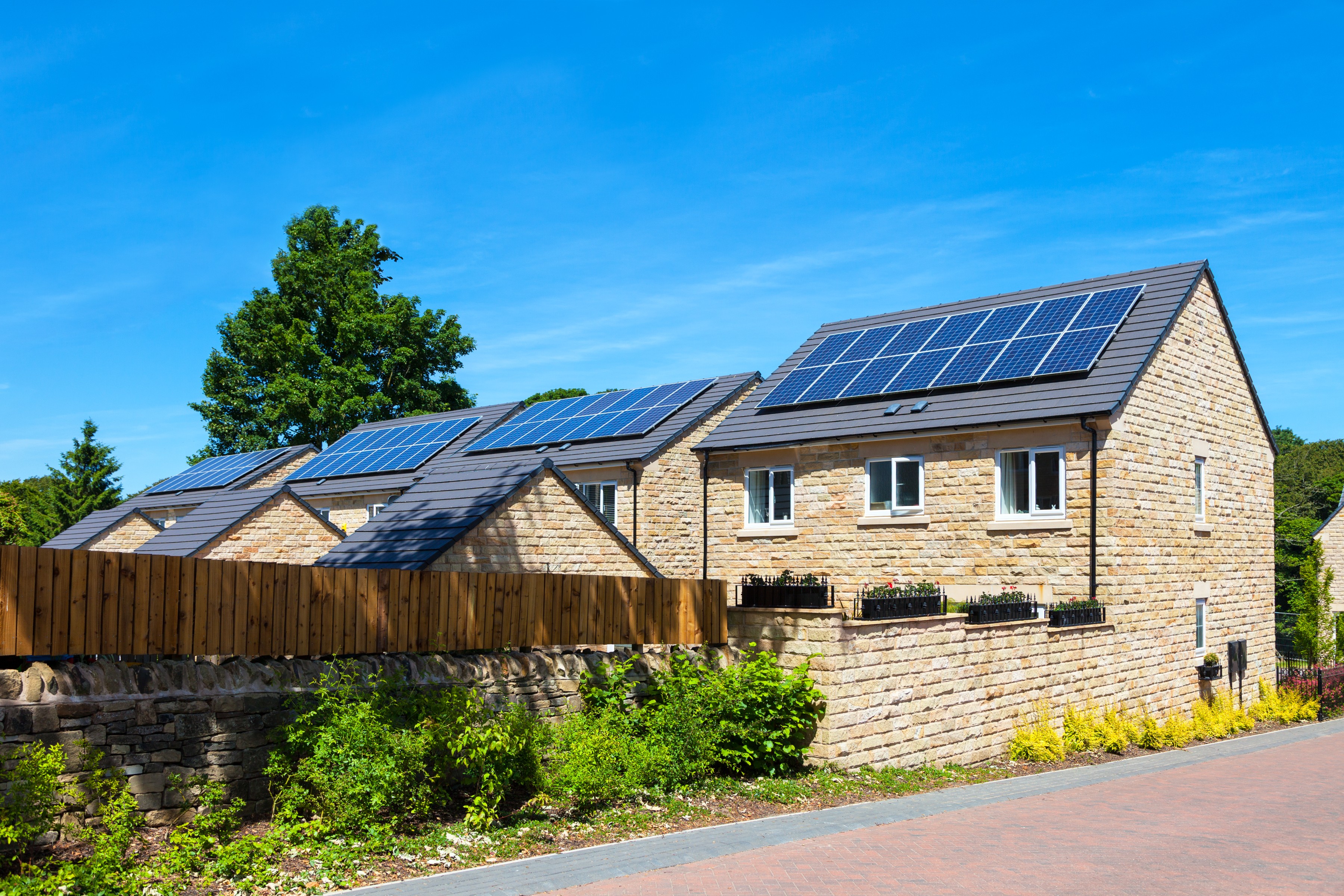
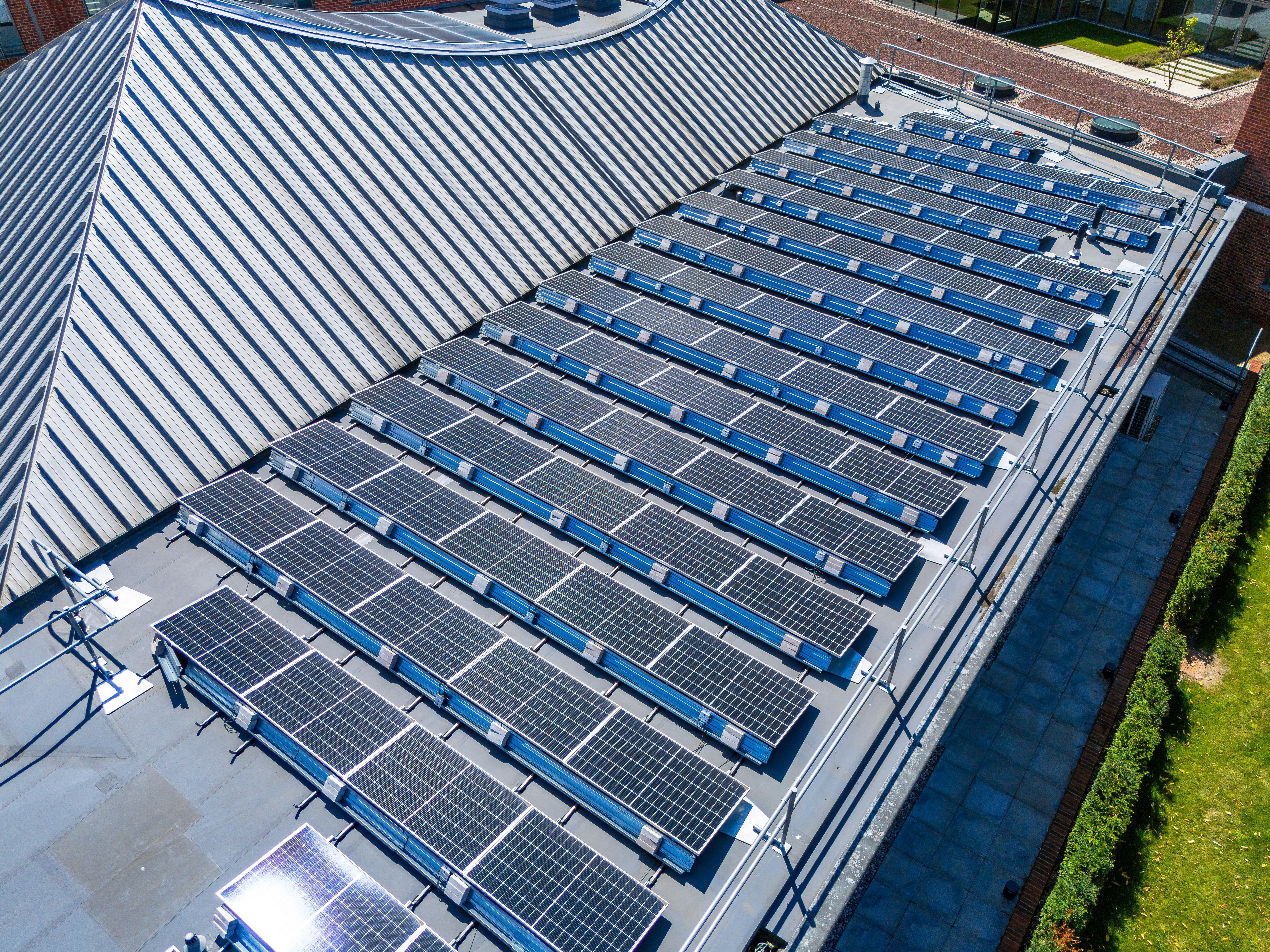
1. Install solar panels to generate your own electricity
Solar panels can reduce the amount of electricity you need to buy from your energy supplier. Their output varies with the season and weather, but they provide a valuable source of on-site generation.
Even during a power cut, solar panels will not normally continue supplying a standard grid-connected installation unless the system is specifically designed to operate in backup mode.
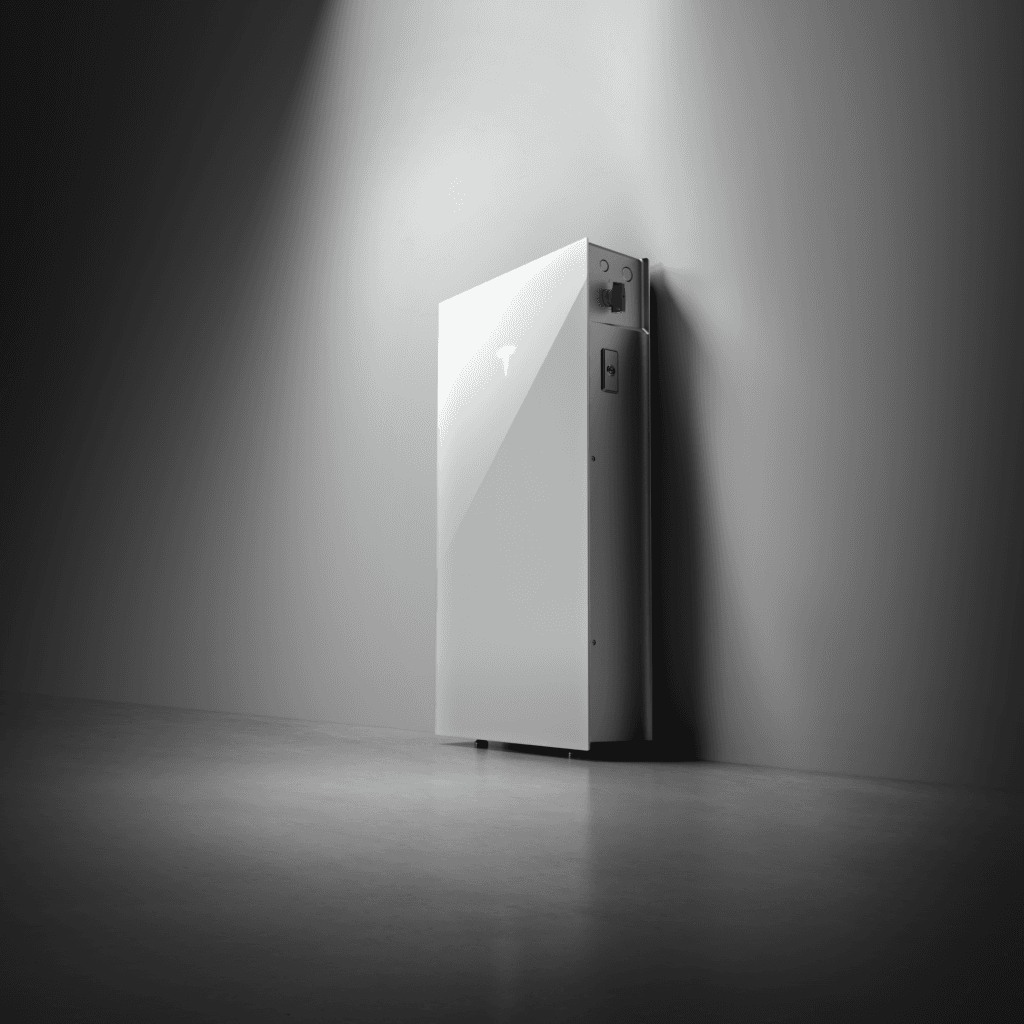
2. Add battery storage to keep surplus energy for later
A home battery stores electricity generated during the day for use when solar production is lower. Depending on your tariff and system settings, it may also be charged from the grid during cheaper periods.
Battery storage can help increase the amount of solar electricity you use at home and reduce peak-time imports. With a compatible backup setup and sufficient charge, it can also provide an energy reserve for an outage.
The right battery capacity depends on your household’s daily consumption, evening demand, heating arrangements and backup requirements. Bigger is not automatically better: the objective is to choose a system that matches how you use electricity.
3. Make EPS a priority if backup power matters to you
If maintaining electricity during a power cut is important, ask your installer specifically for an EPS-capable system.
Discuss which circuits should remain operational, how much power they require and how long the battery should be able to support them. Consider whether the system can recharge from solar panels during a prolonged outage and whether its design supports the loads you intend to use.
Ask whether a minimum battery reserve can be set aside for power cuts, rather than allowing all the available stored energy to be used for everyday consumption.
Remember that EPS is a feature that must be designed and commissioned correctly, not simply assumed to be included with every battery installation.
4. Plan for winter, not just summer
Solar generation in the UK is typically much lower during winter than in summer, precisely when households may need more electricity for lighting and heating controls.
A resilient energy plan should therefore consider realistic winter solar production, battery charge levels, household consumption and the possibility of several days of poor weather.
For households that rely on electrically powered heating, it is particularly important to distinguish between maintaining essential controls and running the heating system itself. A battery that can power lights and a router may not have sufficient capacity to operate a heat pump for an extended period.
5. Prepare for outages before they happen
Energy resilience is about more than equipment. Keep essential devices charged, understand how your backup system operates and make sure household members know which circuits are supported.
If anyone in your household depends on electrically powered medical equipment, seek specialist advice on a suitable backup arrangement rather than relying solely on a domestic battery system.
A professionally designed installation should include clear operating instructions, appropriate electrical protection and guidance on the system’s limitations.
Does home battery storage protect you against rising energy prices?
Battery storage and EPS address two related but different challenges.
For everyday energy costs, solar panels and a battery can reduce reliance on electricity purchased from the grid. Savings depend on installation costs, energy consumption, export payments, tariff arrangements and how effectively the system is used.
For energy security, an EPS-enabled system can provide backup electricity to designated circuits during a grid outage, subject to the battery’s available charge and the system’s capabilities.
Neither solution guarantees energy independence. Homes remain affected by seasonal solar output, equipment limitations and the need to purchase electricity when their own generation and stored energy are insufficient.
Nevertheless, combining solar generation, battery storage and properly configured emergency backup can give households greater control over both their energy use and their preparedness for interruptions.
Why act now?
Storm Austen is a timely reminder that weather can disrupt the infrastructure on which modern life depends. At the same time, rising gas prices underline the UK’s continuing exposure to international energy markets.
Britain’s electricity system benefits from a diverse mix of generation, including wind, solar, gas and battery storage. But national energy security and household energy resilience are not the same thing. A secure national electricity system cannot guarantee that every property will avoid a local power cut.
Homeowners can prepare by making considered investments that improve energy efficiency, reduce unnecessary grid consumption and provide appropriate backup where it is needed.
For many households, a well-designed combination of solar panels, battery storage and EPS offers a practical step towards that goal.
Take the next step with Chiltern Solar
At Chiltern Solar, we help homeowners explore solar PV and battery storage solutions designed around their property, electricity usage and future energy needs.
Whether your priority is reducing electricity bills, making better use of renewable energy or maintaining essential power during a grid outage, the starting point is the same: understanding what your home needs and designing a system to match.
Ask our team about solar panels, battery storage and EPS (Emergency Power Supply), and find out how a suitably specified system could help your household become more energy resilient.
Contact Chiltern Solar to discuss a tailored solar and battery storage solution for your home.
Share this article
We'd really appreciate you helping to get the word out, you can share this page via any social media channels or to friends and family via WhatsApp.
Other recommended news items
In our news items, we share company updates and commentary on wider events within the renewable energy market.