
New Battery Storage Rules UK: What Homeowners Need to Know from 15 October 2026
If you are considering installing a home battery storage system, adding a battery to an existing solar PV system or increasing your existing battery capacity, the location of the battery will now be an important part of the design.
At Chiltern Solar, our surveyors will assess battery locations against the latest requirements before recommending a system for your home.
When do the new battery storage rules come into effect?
The new requirements come into effect for applicable new electrical work from 15th October 2026, when the latest edition of BS 7671:2018+A4:2026 becomes the applicable standard.
The changes include specific requirements relating to stationary battery energy storage systems (BESS).
For homeowners, one of the most noticeable consequences is that certain locations commonly considered for domestic batteries will no longer be suitable.
This includes:
Lofts and attics
Bedrooms
Hallways
Stairwells
Landings
Designated escape routes
Locations too close to combustible materials
Locations without adequate clearance around the battery
The exact requirements will depend on the battery system, property and installation design, as well as the manufacturer's instructions and applicable standards.
At Chiltern Solar, our surveyors will assess battery locations against the latest requirements before recommending a system for your home.
When do the new battery storage rules come into effect?
The new requirements come into effect for applicable new electrical work from 15th October 2026, when the latest edition of BS 7671:2018+A4:2026 becomes the applicable standard.
The changes include specific requirements relating to stationary battery energy storage systems (BESS).
For homeowners, one of the most noticeable consequences is that certain locations commonly considered for domestic batteries will no longer be suitable.
This includes:
Lofts and attics
Bedrooms
Hallways
Stairwells
Landings
Designated escape routes
Locations too close to combustible materials
Locations without adequate clearance around the battery
The exact requirements will depend on the battery system, property and installation design, as well as the manufacturer's instructions and applicable standards.
Can you install a home battery in a loft after October 2026?
No. New battery storage systems should not be installed in lofts or attics from 15 October 2026.
Although a loft can appear to be a convenient location for a battery because solar panels are usually installed on the roof, loft spaces present particular challenges around fire safety, access and emergency response.
As a result, homeowners considering a new solar battery installation should look at alternative locations.
These could include:
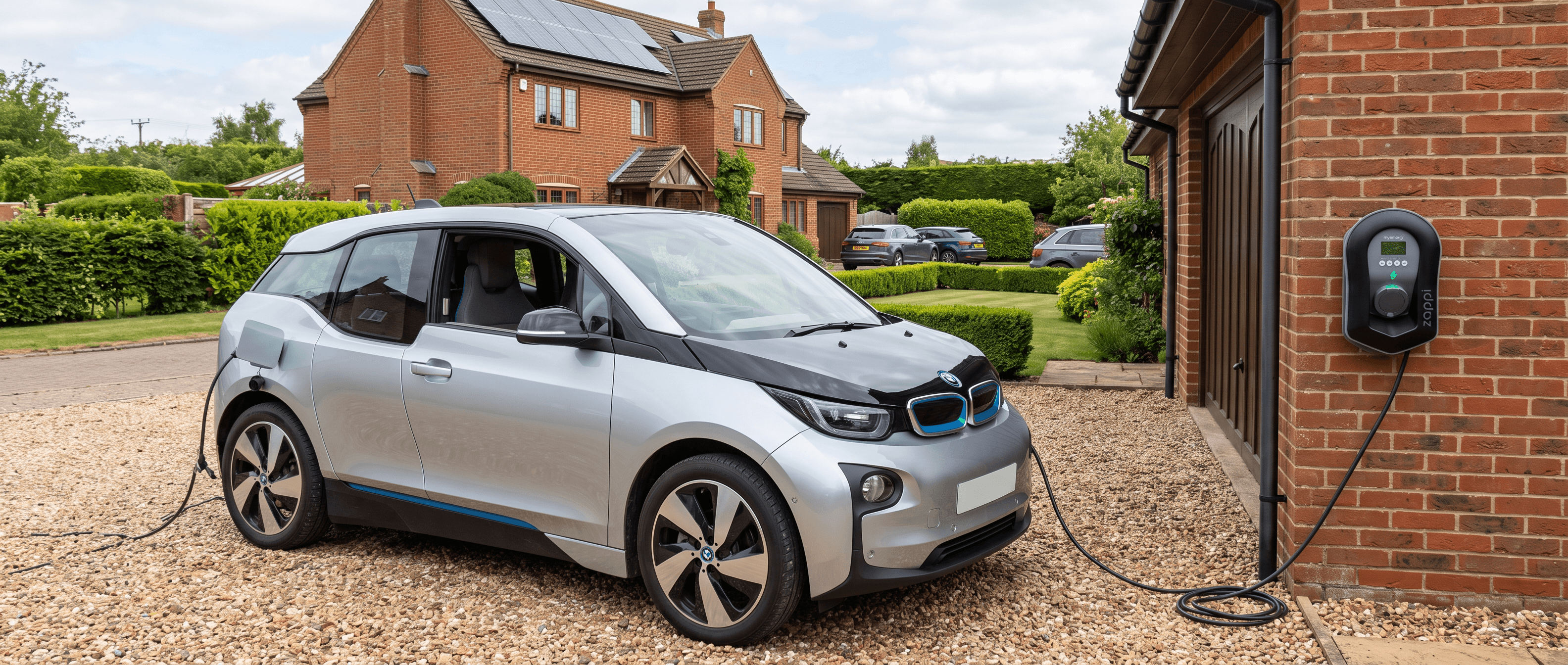
A suitable garage
A suitable utility or service area
An external wall
An appropriate outbuilding
Another suitable ground-level location
Your installer should assess the proposed location during the site survey rather than simply assuming that an available wall is suitable.
What if my existing battery is already in the loft?
The new requirements do not automatically mean that an existing battery installation has to be removed.
Existing installations are not retrospectively made non-compliant simply because the electrical standards change.
However, the situation is different if you want to add additional battery storage or alter the existing installation.
For example, if you have an existing battery installed in a loft, we cannot simply add another battery to that system without assessing the proposed alteration against the requirements applying to the new work.
In practical terms, additional storage may require an existing loft battery system to be relocated to a suitable ground-level, garage or external location.
What if my existing battery is already in the loft?
The new requirements do not automatically mean that an existing battery installation has to be removed.
Existing installations are not retrospectively made non-compliant simply because the electrical standards change.
However, the situation is different if you want to add additional battery storage or alter the existing installation.
For example, if you have an existing battery installed in a loft, we cannot simply add another battery to that system without assessing the proposed alteration against the requirements applying to the new work.
In practical terms, additional storage may require an existing loft battery system to be relocated to a suitable ground-level, garage or external location.
Can a home battery be installed in a bedroom?
No. New home battery storage systems should not be installed in bedrooms.
This applies even if there appears to be sufficient wall space for the battery.
Battery storage needs to be located in an appropriate area that allows safe access, maintenance and emergency isolation while avoiding locations that could compromise the safety of occupants.
During a Chiltern Solar survey, we will therefore consider alternative locations if a bedroom has previously been identified as the preferred battery location.
Can a battery be installed in a hallway or stairwell?
No. Battery storage systems should not be installed in hallways, stairwells, landings or designated escape routes.
This is particularly important in homes where space is limited.
A battery should not be positioned where an incident involving the equipment could obstruct or compromise the route occupants would use to leave the property.
This means that a convenient cupboard under the stairs, hallway or landing may no longer be suitable for battery storage.
New battery storage clearance requirements
The location of the battery isn't the only consideration.
There also needs to be sufficient space around the battery and appropriate separation from other features of the property.
The 1-metre rule for external battery installations
For external and suitable outbuilding installations, the battery needs to be appropriately separated from building openings.
As a general design requirement, at least 1 metre of clearance from windows, doors, vents and other openings should be allowed for, subject to the applicable standard and manufacturer's requirements.
This can be particularly important on smaller properties where external wall space is limited.
A battery may physically fit on a wall but still be unsuitable because it is too close to a window, door or ventilation opening.
Keep batteries away from combustible materials
Battery storage systems also need appropriate separation from combustible materials and other hazards.
A 2-metre separation from stored combustible materials, flammable materials, fuel tanks and gas cylinders should be considered when designing the installation, alongside the specific requirements of the applicable standard and battery manufacturer.
This is particularly relevant when installing batteries in garages and outbuildings.
For example, a garage may contain:
Petrol or diesel
Gas cylinders
Paint and solvents
Firewood
Cardboard
Garden chemicals
Other combustible materials
The battery location needs to be considered alongside everything else being stored in the space.
Can I put a battery inside a cupboard?
A battery should not simply be boxed in with combustible materials.
Homeowners sometimes want to hide a battery inside a timber cupboard or construct an enclosure around it.
However, a battery installation needs appropriate clearance to allow for safe operation, inspection, maintenance and emergency access.
A typical installation may require approximately 300mm of clear space around the battery, although the precise clearance depends on the battery manufacturer and the specific installation requirements.
The important point is:
Don't build the cupboard first and ask whether the battery will fit afterwards.
The battery and its enclosure should be designed as part of the overall installation.
Does the wall need to be fire resistant?
The wall or surface supporting the battery is also important.
The installation must not compromise the fire performance or structural integrity of the wall.
Battery casings and enclosures must meet the applicable requirements, and appropriate non-combustible materials may be required depending on the installation.
This is why our surveyors will assess the proposed mounting surface as part of the battery installation survey.
Do the new battery rules affect existing solar panels?
No — the changes do not mean that your existing solar panels suddenly become non-compliant.
If your solar PV system was installed correctly under the requirements that applied at the time, changes to the standards do not automatically require the existing installation to be replaced.
However, the situation can change when new work is carried out.
This could include:
Adding a battery to an existing solar system
Adding more battery capacity
Replacing or relocating battery equipment
Altering the existing battery installation
Installing a new inverter or associated equipment
Any new work needs to be assessed against the requirements applicable at that time.
This is particularly important for older installations where the existing battery may be located somewhere that would not be permitted for a new installation.
Why are UK battery storage rules changing?
The number of home battery storage systems in the UK has increased significantly as more homeowners install solar panels and look for ways to store surplus electricity.
Battery storage can allow homeowners to:
Store surplus solar electricity
Use more of their own solar generation
Reduce reliance on electricity from the grid
Charge batteries during cheaper electricity periods
Provide backup power where a suitable backup system has been designed
Increase the value of an existing solar PV system
However, battery systems store significant amounts of electrical energy.
The new requirements therefore place greater emphasis on where batteries are installed and how they are protected, including considerations around fire safety, access, isolation and the surrounding environment.
What does this mean if I am considering solar panels and a battery?
If you are planning a solar and battery installation, don't leave the battery location until the end of the process.
The location can affect:
Which battery system can be installed
How much battery storage can be installed
The cost of installation
Cable routes
Inverter location
Backup functionality
Fire safety measures
The overall appearance of the installation
A professional site survey should therefore consider the battery location before the final system design is agreed.
At Chiltern Solar, we look at the property as a whole rather than simply finding the first available wall.
What should I do if I already have a battery in my loft?
If your battery was installed before 15 October 2026, there is no automatic requirement to relocate it simply because the new rules come into effect.
However, if you are considering:
Adding more battery storage: the existing installation will need to be assessed.
Replacing the battery: the proposed replacement will need to comply with the applicable requirements.
Adding additional equipment: the effect of the alteration on the existing installation needs to be considered.
Increasing your storage capacity: your installer may recommend relocating the existing battery to an appropriate location.
At Chiltern Solar, we can assess the existing installation and explain the options available.
Battery storage rules: a quick summary
Battery installation requirement | From 15 October 2026 |
|---|---|
New battery in loft/attic | ❌ Not permitted |
New battery in bedroom | ❌ Not permitted |
New battery in hallway/escape route | ❌ Not permitted |
External battery close to window/door/vent | ❌ Not without required separation |
Battery close to combustible storage | ❌ Not within the required separation |
Battery boxed in with combustible materials | ❌ Not permitted |
Adequate clearance around battery | ✅ Required |
Suitable mounting surface | ✅ Required |
Existing compliant installation | ✅ Not automatically affected |
Adding to an existing installation | ⚠️ New work must be assessed |
Planning a home battery installation?
The biggest message for homeowners is simple:
Where your battery goes matters.
The best battery system isn't necessarily the biggest battery you can buy or the one that fits into the smallest space.
Your battery needs to be appropriately sized for your electricity consumption, solar generation and intended use — and it needs to be installed in a location that meets the applicable safety requirements.
If you are considering solar panels, battery storage, additional battery capacity or whole-home backup, the best time to discuss the battery location is before the system is designed.
Talk to Chiltern Solar
Chiltern Solar designs and installs solar PV and battery storage systems for homes and businesses across the region.
If you are considering a new battery or want to understand whether your existing installation can be expanded, contact Chiltern Solar to arrange a survey.
Don't wait until installation day to discover that your preferred battery location isn't suitable.
Frequently Asked Questions
When do the new UK battery storage rules come into effect?
The new requirements applicable to new electrical work take effect from 15 October 2026, when BS 7671:2018+A4:2026 becomes the applicable edition of the wiring regulations.
Can I install a battery in my loft after October 2026?
No. New domestic battery storage installations should not be installed in loft or attic spaces under the applicable requirements.
Do I have to remove my existing loft battery?
Not simply because the rules have changed. Existing installations are not automatically required to be altered retrospectively. However, adding to or altering an existing loft battery installation may require the system to be relocated.
Can I install a battery in a bedroom?
No. New battery storage installations should not be installed in bedrooms.
Can I install a battery in my garage?
Potentially, yes. A garage can be a suitable battery location, but the installation must satisfy the applicable requirements, including appropriate clearances, mounting arrangements and separation from combustible or hazardous materials.
How far should a battery be from a window or door?
For relevant external or outbuilding installations, a 1-metre separation should generally be allowed for from windows, doors, vents and other openings, subject to the applicable requirements and manufacturer's instructions.
How much space should I leave around a home battery?
A typical installation may require approximately 300mm of clear space around the battery, but the exact requirement depends on the battery manufacturer and installation design.
Can I put my battery inside a cupboard?
Not automatically. A battery must not simply be enclosed in combustible materials. Appropriate clearance, access, ventilation where required and the manufacturer's installation requirements must be maintained.
Can I add another battery to my existing system?
Potentially, but the existing installation and proposed alteration need to be assessed against the requirements applying to the new work. This is particularly important if the existing battery is located in a loft or another location that would not be suitable for a new installation.
Important information
This article provides general information for homeowners and businesses and is not a substitute for a site-specific electrical design or professional advice.
Battery installations must comply with the applicable edition of BS 7671, relevant battery-storage guidance, Building Regulations where applicable, and the battery manufacturer's installation requirements.
Requirements can vary depending on the property, battery technology, installation arrangement and intended use. A qualified installer should therefore confirm the requirements for each individual installation.

Other contributors
Other team members that contributed to this article

Share this article
We'd really appreciate you helping to get the word out, you can share this page via any social media channels or to friends and family via WhatsApp.
Share on Facebook
Share on Twitter/X
Share on WhatsApp
Share via Email
Copy website address to clipboard
Other recommended news items
In our news items, we share company updates and commentary on wider events within the renewable energy market.