From Preppers to Power Resilience: Is Your Home Ready for 72 Hours Without Power?
The UK Government’s new 72-hour emergency preparedness advice is a timely reminder that resilience starts at home. But having enough food and water is only part of the picture. What would happen if your home lost electricity for three days?

The return of preparedness
Historically, the word ‘prepper’ has conjured up an image of someone who stores supplies, plans for the unexpected and prepares to live independently if normal services break down. Often associated with survivalist communities overseas, particularly in the United States, the term has rarely been part of everyday British conversation. That perception may now be changing.
On 22 October 2026, the UK Government launched its Be Ready campaign, encouraging households to take simple, practical steps to prepare for up to 72 hours of disruption to essential services. The advice includes keeping supplies of drinking water and non-perishable food at home, alongside items such as a torch, a battery-powered or wind-up radio, a first aid kit, blankets and some cash. Security Minister Dan Jarvis described the initiative as part of a wider effort to improve the UK’s national resilience.
Read the Government’s official guidance.
The message is straightforward: emergencies do not have to be catastrophic to disrupt everyday life. Severe weather, flooding, technical failures or disruption to communications and infrastructure can all affect services many of us take for granted.
Being prepared is not about panic, pessimism or building a bunker. It is about taking sensible steps today so that, if something goes wrong tomorrow, you and your family have more options.
How did we become so dependent on everything working?
To understand why preparedness matters, it helps to consider how modern life has evolved.
The just-in-time (JIT) business model, developed and refined in post-war Japan and famously associated with Toyota, was designed to improve efficiency by ensuring that materials and components arrived when needed rather than sitting in warehouses. It helped businesses reduce waste, minimise stockholding costs and make better use of working capital.
Today, this approach underpins much of the modern economy. Supermarkets rely on frequent deliveries. Manufacturers depend on complex international supply chains. Businesses increasingly use cloud-based software, digital communications and electronic payment systems. Households, meanwhile, expect clean water, refrigeration, heating, internet access and electricity to be available whenever they need them.
At Chiltern Solar, we understand the commercial logic of this model. Like many businesses, we keep warehouse stock under control, helping to manage storage requirements, property costs and working capital.
The difficulty is that greater efficiency can mean fewer reserves to fall back on. When everything works, the system is remarkably effective. When one critical link fails, the consequences can spread quickly.
For households, that dependency is particularly apparent when the electricity supply is interrupted. A power cut can affect far more than the lights: it can disrupt cooking, heating controls, communications, refrigeration and, in some circumstances, the water supply itself.
We have been thinking about national resilience for decades
The idea of preparing for major disruption is not new.
During the Cold War, the UK Government considered how food supplies could be maintained following a nuclear attack or a major interruption to imports. The Ministry of Agriculture, Fisheries and Food operated emergency food distribution arrangements, including strategically located depots holding long-life provisions.
Historical accounts describe substantial stocks of basic commodities such as flour, sugar, fats and tinned food, alongside emergency provisions intended to support the population if normal distribution systems failed. Plans envisaged food being allocated through regional and county officials to local emergency feeding centres.
These arrangements reflected a very different model of resilience: centralised preparation, strategic reserves and organised distribution in a national emergency.
Today, the emphasis is increasingly on a combination of public services, community support, business continuity and individual household preparedness. That does not mean the Government is abandoning its responsibilities. The Be Ready campaign is intended to help people manage short-term disruption while emergency services concentrate on those who need the most urgent assistance.
It does, however, recognise an important reality: the better prepared households and businesses are, the more resilient our communities can become.
What does 72 hours without electricity really mean?
Imagine that a severe storm, infrastructure failure or other incident leaves your home without electricity for three days.
At first, it might seem manageable. You have food in the fridge, a freezer full of provisions and a charged mobile phone. But many of the appliances you normally depend on, from your kettle and microwave to your heating controls, may already be unavailable. As the hours pass, the challenges increase.
Food and refrigeration
Fridges and freezers need electricity to maintain safe temperatures. During a prolonged outage, refrigerated food can become unsafe, while frozen food may begin to thaw.
Keeping fridge and freezer doors closed helps preserve the cold for longer, but it cannot guarantee that food will remain safe throughout a 72-hour outage. Follow food safety guidance before consuming anything that has warmed or thawed.
Cooking and hot water
Many familiar kitchen appliances depend on electricity, including kettles, microwaves, induction hobs and electric ovens. Even gas cookers may require electricity for ignition, while some models need a powered control system. Gas central heating boilers also commonly require electricity to operate their controls and pumps.
A household that normally relies on these appliances could find itself unable to prepare a hot meal or heat water.
Never use portable camping stoves or barbecues indoors, in garages or in enclosed spaces because of the risk of carbon monoxide poisoning and fire. Never use an oven or hob to heat your home.
Water and sanitation
The Government recommends storing around three litres of drinking water per person per day, with additional water for cooking and washing. That means at least nine litres of drinking water per person for three days, before allowing for other uses.
A power cut can also affect water pumping and treatment infrastructure in some circumstances, particularly where disruption extends beyond an individual property. The precise consequences will depend on the location and nature of the incident.
Communications and payments
Routers, broadband equipment and mobile phones all need power. Mobile networks may also be affected if outages persist and backup systems run down. Card payment systems and cash machines may become unavailable, too.
A charged power bank, a battery-powered or wind-up radio, a torch and a modest supply of cash can all help.
Comfort, heating and vulnerable family members
In colder weather, a loss of heating can quickly become uncomfortable and may present a more serious risk for older people, young children and those with particular health needs.
Consider essential medication, mobility equipment and any medical devices that require electricity when making your plans.
None of this means a 72-hour power cut is inevitable. It simply illustrates how many everyday activities depend on services that are easy to overlook until they stop working.
Think of it as three days off-grid at home
One useful way to approach preparedness is to imagine spending three days camping without leaving your home.
What would you eat? How would you keep warm? How would you charge your phone, obtain drinking water and receive updates? What would you do if someone in your household needed electrically powered medical equipment?
Start with the basics:
Water and food: Keep drinking water and non-perishable food that can be eaten without cooking. Remember a tin opener, baby supplies and pet food where needed.
Light and information: Have a torch, spare batteries and a battery-powered or wind-up radio.
Power and communications: Keep a charged power bank and a list of important telephone numbers on paper.
Health and comfort: Have essential medication, first aid supplies, warm clothing, blankets and basic hygiene products available.
Payments and planning: Keep some cash available and agree how your household will stay in touch.
Additional support: Check whether anyone in your household should register for their utility provider’s Priority Services Register.
You do not need to buy everything at once. Build your supplies gradually, check expiry dates and make sure everyone in the household knows where essential items are kept.
Official advice and further information are available through the Government’s Be Ready emergency preparedness campaign.
From emergency supplies to energy resilience
Food, water and a torch are sensible starting points. But there is another question worth asking: could your home keep essential electrical equipment running if the grid went down?
This is where solar panels and battery storage can play a valuable role.
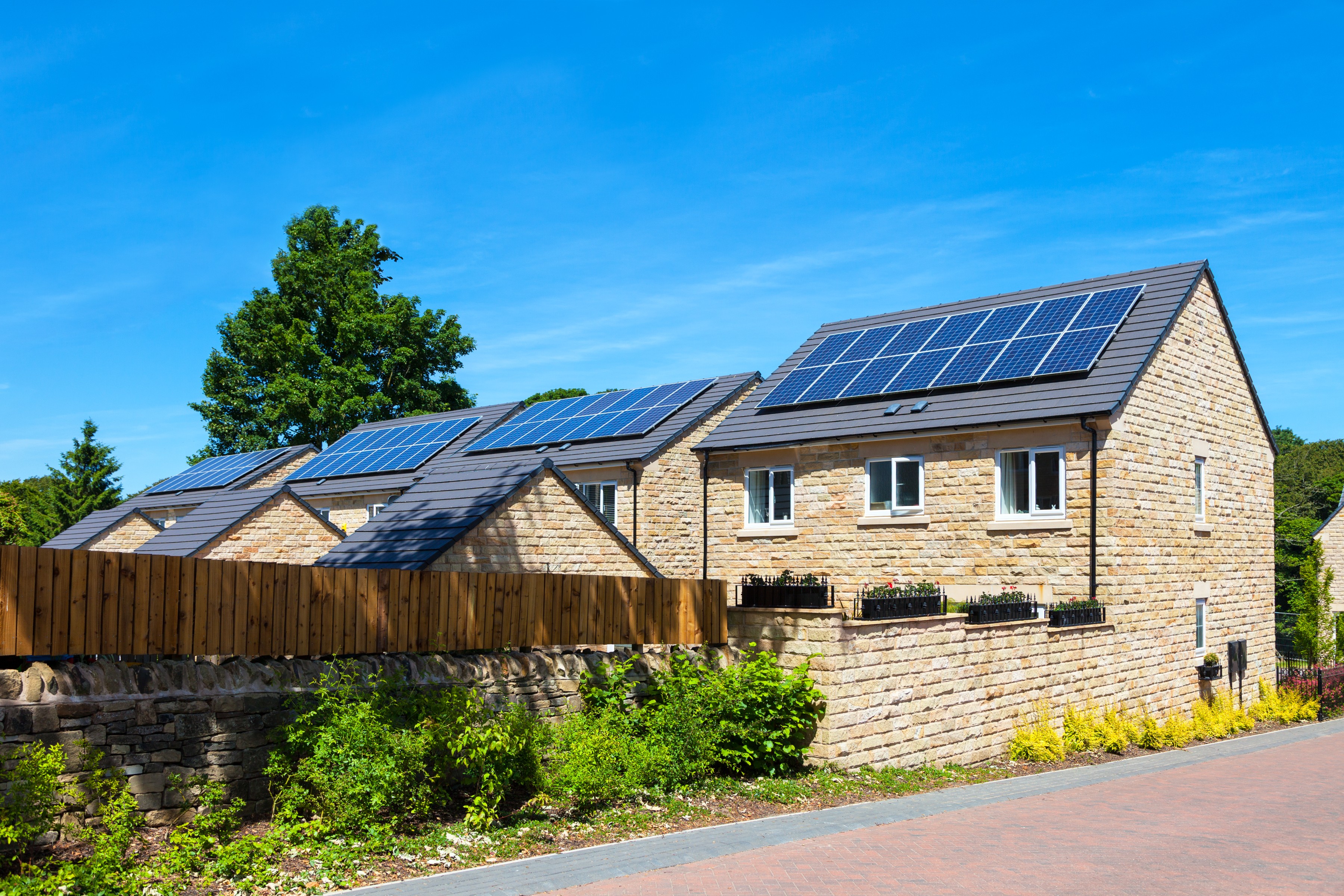
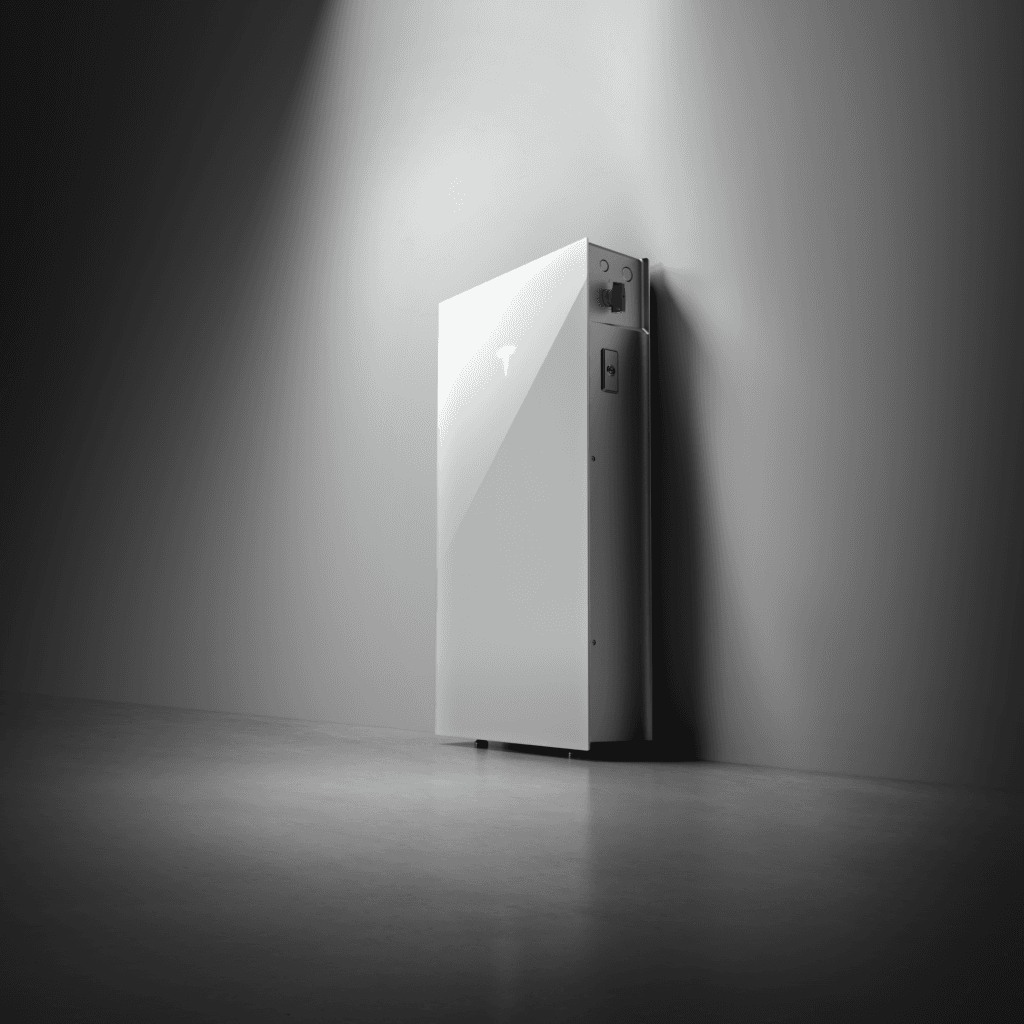
A solar PV system generates electricity from daylight, while a battery stores energy for use later. Under normal conditions, this can help households use more of their own solar generation and reduce reliance on electricity imported from the grid.
With the right equipment and configuration, the same technology can also help provide backup power during a grid outage.
Having solar panels on your roof does not automatically mean your lights will stay on during a power cut. A conventional grid-connected solar installation will normally shut down for safety reasons when the grid supply fails.
To provide backup power, the installation must be specifically designed for this purpose. Depending on the equipment, that may involve a compatible battery, a hybrid inverter, an EPS (Emergency Power Supply) output, suitable electrical changeover arrangements and a dedicated selection of essential circuits.
When the grid supply fails, a correctly configured system can isolate the relevant circuits from the public electricity network and supply them from the battery and, where the system supports it, available solar generation.
Depending on the design and capacity of the system, backed-up circuits might include:
Essential lighting.
Fridge and freezer circuits.
Broadband equipment and phone charging.
Selected sockets for small essential appliances.
Certain heating controls or other essential electrical equipment.
Not every appliance can be supported, and some equipment draws more power when starting than it does during normal operation. The system therefore needs to be designed around the household’s priorities, expected demand and the duration of backup required.
What is EPS, and how does it help?
EPS stands for Emergency Power Supply. In a compatible solar and battery installation, it provides a way to supply selected electrical circuits when the normal grid supply is interrupted.
A battery without a suitable backup function may be unable to power your home during an outage, even if it is fully charged.
A properly designed EPS arrangement can provide a controlled supply to designated circuits. Depending on the equipment, battery charge, solar conditions and electrical load, it may support essential household functions while the grid is unavailable.
For example, a household might prioritise keeping its fridge and freezer running, maintaining lighting in key rooms, charging phones and powering its internet equipment. Another household might have different requirements, particularly if someone depends on electrically powered medical equipment.
There are limits. A domestic battery is not necessarily designed to power every appliance in the house simultaneously. Electric showers, immersion heaters, electric ovens and other appliances with high power demands can consume substantial amounts of energy and may exceed the system’s output capacity.
Backup duration depends on:
The battery’s usable capacity.
The appliances and circuits being supplied.
The battery’s state of charge when the outage begins.
Whether the system supports solar recharging during an outage.
How much solar generation is available.
Winter weather and heavy cloud can reduce solar production, so a resilient system should not assume that the sun will always replenish the battery. Overnight, stored battery energy becomes particularly important because the panels are not generating.
A system’s ability to support essential circuits does not, by itself, guarantee 72 hours of backup. The design and available energy must match the household’s requirements.
The objective is to maintain the electrical services that matter most.
Energy resilience for businesses, too
The same principles apply to businesses.
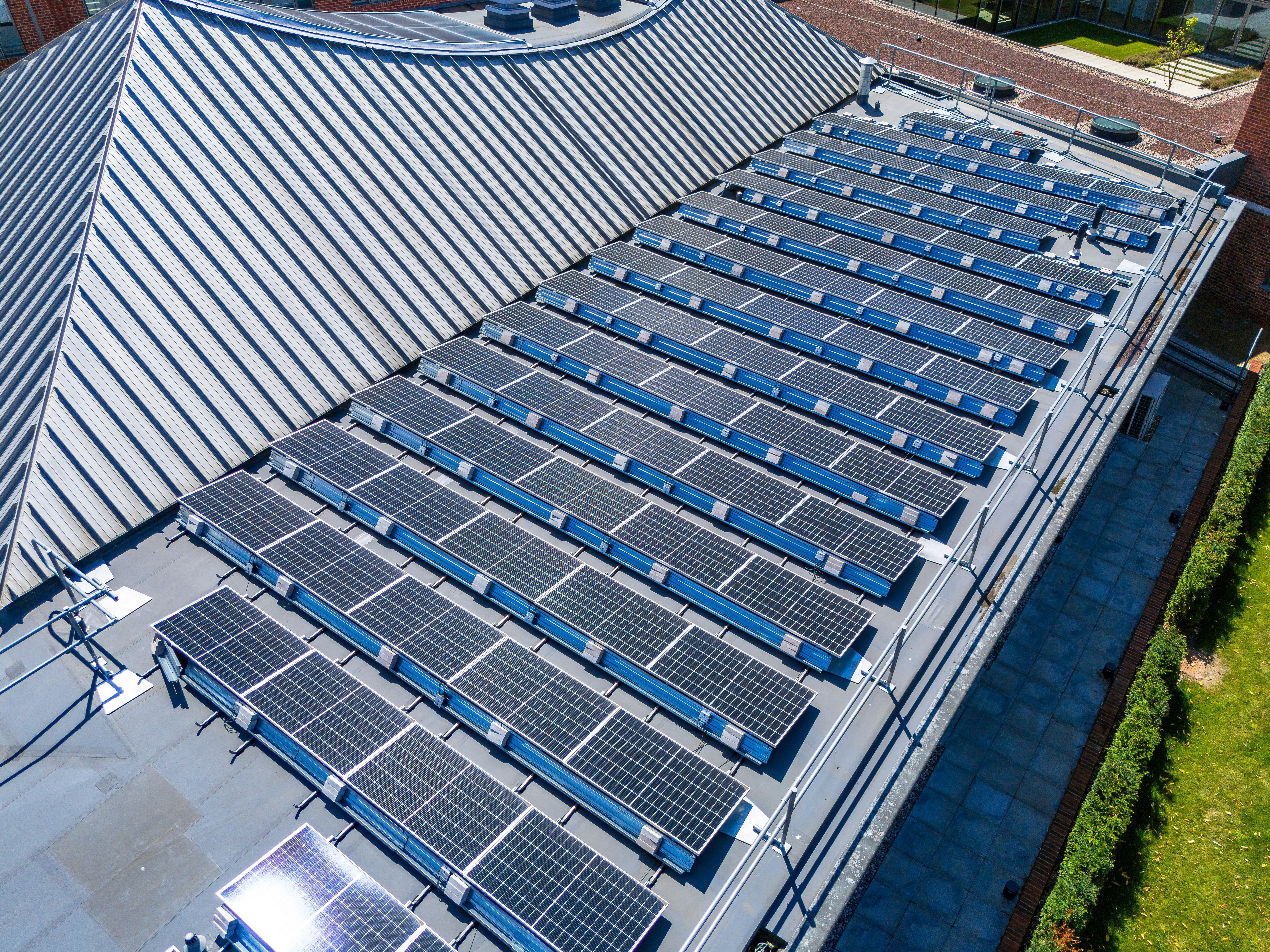
For many organisations, an electricity interruption can affect far more than lighting. IT equipment, internet connectivity, security systems, access controls, refrigeration and essential operational equipment may all depend on a reliable power supply.
Businesses should identify which services must continue, which can safely be suspended and how long they need to operate without the grid. Solar and battery storage may form part of that strategy, alongside other measures such as backup communications, continuity planning and appropriate standby power.
As with domestic installations, the design must reflect the actual loads and operational requirements. A system intended to keep office communications running is very different from one expected to support industrial machinery or an entire commercial premises.
For businesses, the potential value extends beyond avoiding inconvenience. Depending on the nature of the operation, maintaining selected critical services could reduce downtime, protect stock, support staff and help preserve customer service.
Is your home ready for the next power cut?
The Government’s 72-hour guidance is a useful prompt to review our assumptions about everyday life. We have become accustomed to reliable utilities and readily available supplies, but resilience means recognising that interruptions can happen and preparing proportionately.
Start by making sure you have the essentials: drinking water, suitable food, medication, lighting and a way to receive information. Then consider how your household would manage without electricity for several hours, overnight or for a longer period.
If you already have solar panels and battery storage, check whether your system supports EPS or another form of backup operation. Ask your installer which circuits are protected, how much power is available and what limitations apply.
If you are considering a new installation, discuss backup requirements at the outset. Designing for energy resilience from the beginning can help ensure that the equipment, electrical configuration and battery capacity suit your needs.
At Chiltern Solar, we help homeowners and businesses explore solar PV, battery storage and energy solutions suited to their properties and requirements. We can discuss how an appropriately designed system may help reduce grid dependence and support essential electrical needs during a power cut.
Preparedness is about giving yourself more options when the unexpected happens.
To explore solar panels and battery storage with EPS backup capability, contact Chiltern Solar to discuss your property, your energy requirements and the options available.
Use our free solar quote tool
Answer a few questions, draw your roof and our free tool will give you an estimate of how much solar could save you and your household.
Takes 60 seconds
No bills or documents needed
Get a real price estimate with real hardware
Adjust system size and see impact on cost & savings
Share this article
We'd really appreciate you helping to get the word out, you can share this page via any social media channels or to friends and family via WhatsApp.
Other recommended news items
In our news items, we share company updates and commentary on wider events within the renewable energy market.