Zappi Charger Installation: What to Expect from Home EV Charging
Owning an electric vehicle without home charging can feel a little like owning a Labrador while living on the tenth floor of a building with no lift. It is possible, but before long, you may wonder whether you have made everyday life unnecessarily complicated.
This is the first instalment of The Life Electric, a series exploring the practical realities of using solar energy to power a home, charge an electric vehicle and support everyday life
Why install an electric car charger at home?
Public charging is an important part of the UK’s EV infrastructure, especially during longer journeys. However, depending on public chargers for routine driving can make electric vehicle ownership less convenient than it needs to be.
Installing an EV charger at home means the vehicle can be plugged in when it is not being used, often overnight and be ready for the next journey.
The potential benefits include:
Starting the day with a charged vehicle
Reducing reliance on public charging stations
Scheduling charging during off-peak electricity periods
Monitoring how much electricity the vehicle is using
Making better use of electricity generated by solar panels
Integrating EV charging into a wider home energy system
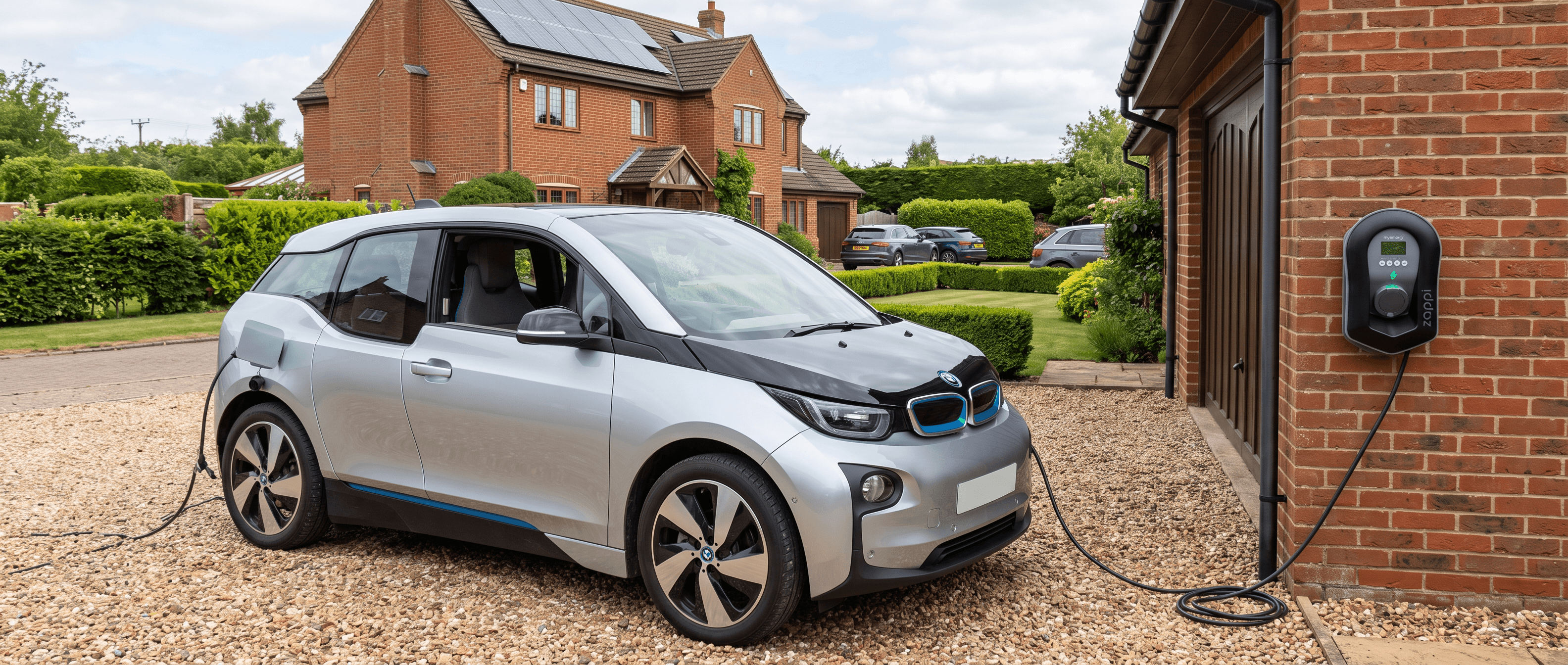
For the BMW i3 owner featured in this article, the ability to plug the car in at home was the main attraction. Public charging would become a backup option rather than part of the everyday routine.
Why choose a Zappi EV charger?
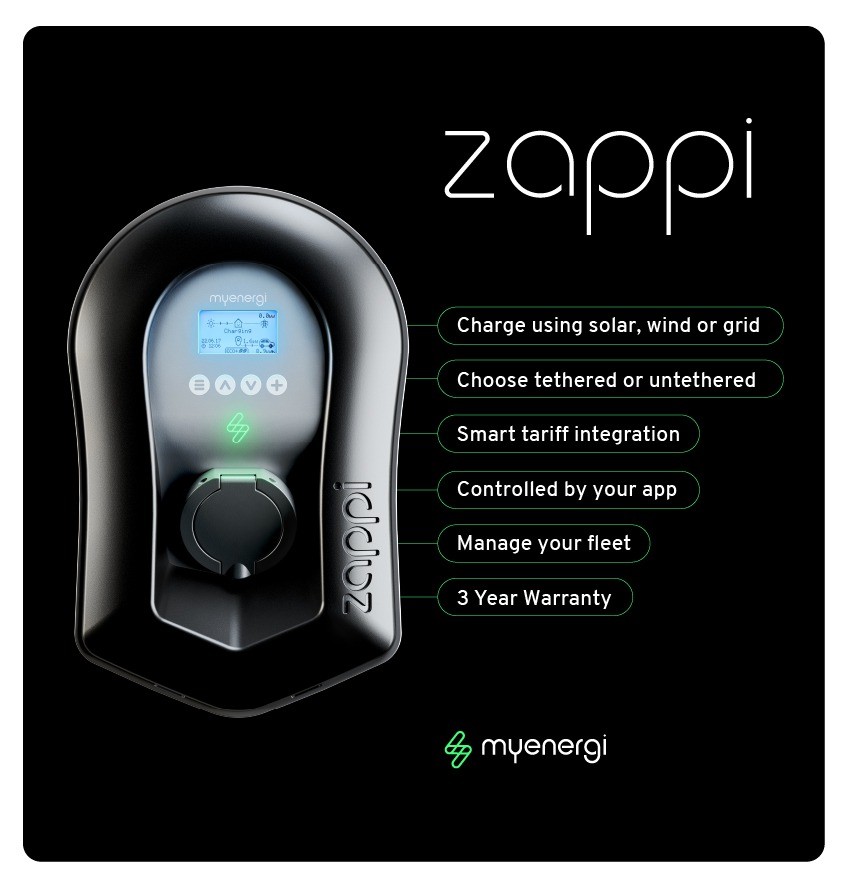
The Zappi is a smart home EV charger produced by MyEnergi. It can operate as a conventional electric vehicle charger, so homeowners do not need solar panels to use one.
However, it is particularly attractive to people who already have solar panels or are considering installing them in the future. When the charger and solar PV system are correctly configured, Zappi can respond to the amount of surplus solar electricity available and use it to help charge the vehicle.
Its different charging settings allow drivers to choose how and when energy is delivered to the car. Depending on the system, settings and available generation, this could include charging at full available power, balancing solar generation with electricity imported from the grid, or waiting for sufficient surplus solar energy.
Scheduled charging can also help drivers take advantage of suitable off-peak electricity tariffs. The best settings will depend on the vehicle, tariff, solar installation, household consumption and normal driving routine.
What happens during a Zappi charger installation?
Every property is different, so a suitable home EV charger installation begins with an assessment of the house, electrical system and intended charger location.
The installer may need to consider:
The available electrical supply
The condition and capacity of the consumer unit
Where the vehicle is normally parked
The preferred position of the charger
The route required for the electrical cable
The distance between the consumer unit and charging point
Internet or wireless connectivity
Existing solar panels or battery storage
Any planned renewable energy improvements
This assessment helps identify whether the installation should be relatively straightforward or whether additional electrical work may be required.
There was the usual mixture of excitement and mild concern on the day of this particular installation. Anyone who has had tradespeople working around their home will recognise the questions: Will there be drilling? Probably. Dust? Possibly. An unexpected complication hiding somewhere in the property? You can never entirely rule it out.
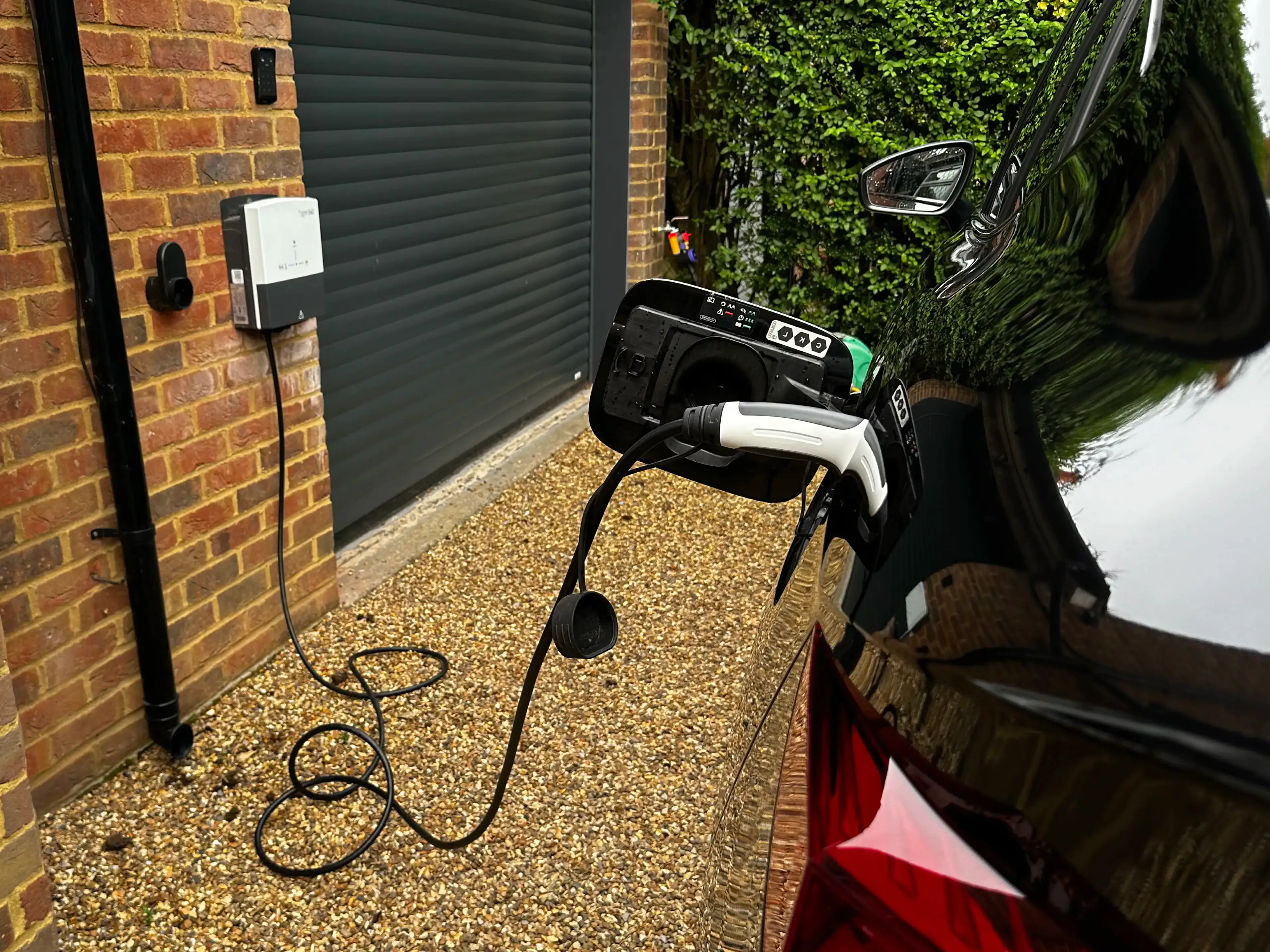
Fortunately, this installation was remarkably straightforward. The charger was positioned neatly, the electrical work was completed and tested, and the owner was shown how to use the charger and monitor the system.
Before long, the BMW i3 was happily drawing power from its new home energy source.
What is it like charging an electric car at home?
There is something strangely satisfying about plugging in a car at home.
It feels less like visiting a petrol station and more like putting a phone on charge overnight. Connect it when it is parked, leave it to charge according to the selected settings and return when it is ready for the next journey.
For this BMW i3 owner, home charging transformed the experience of living with an electric vehicle. Instead of planning regular visits to public charging stations, the car could spend the night quietly preparing for another day.
This does not remove the need for public charging completely. Longer journeys may still require a stop, and every driver’s mileage and charging pattern will be different. However, for regular local driving, a home charger can make electric vehicle ownership considerably more convenient.
Smart charging and off-peak electricity
One of the reasons for choosing a smart EV charger is the ability to control when charging takes place.
Some electricity tariffs offer cheaper rates during particular off-peak periods. A compatible charging schedule can help move some or all of the vehicle’s electricity use into these periods.
This does not automatically guarantee a particular saving. The result will depend on:
The electricity tariff
The times at which lower rates are available
The vehicle’s battery capacity
The amount of energy required
How frequently the vehicle is driven
The charging speed supported by the car
Other household electricity use
Nevertheless, scheduled charging gives EV owners more control over when they purchase electricity from the grid.
Can a Zappi charger use surplus solar energy?
Yes. One of Zappi’s main advantages is its ability to work with a solar PV system and respond to surplus electricity that might otherwise be exported to the grid.
Solar generation changes throughout the day according to the weather, season and household electricity demand. A correctly configured Zappi system can adjust charging in response to the energy available.
This can help homeowners use more of the renewable electricity generated at their property. It is particularly useful for vehicles that are regularly parked at home during daylight hours.
However, solar EV charging is not necessarily as simple as plugging in and receiving a full charge entirely from the sun. The outcome will depend on:
The size and expected output of the solar PV system
Weather conditions and the time of year
The amount of electricity being used elsewhere in the home
How long the vehicle remains connected
The car’s minimum and maximum charging requirements
The Zappi mode and settings selected
Whether the property also has battery storage
An experienced installer should discuss how the charger, solar panels and any home battery will work together. This is important because the homeowner may want to prioritise charging the battery, charging the vehicle or supplying the house at different times.
Monitoring home and vehicle energy use
The Zappi also introduced its new owner to the strangely compelling world of energy monitoring.
Electricity consumption graphs may not sound exciting, but seeing when the car is charging and how energy is moving around the property can quickly become fascinating. It provides a clearer picture of how much electricity the vehicle needs and how charging fits alongside the home’s other energy demands.
For homeowners with solar panels, this visibility can also help them understand when surplus solar electricity is available and how effectively it is being used.
Is a Zappi home charger worth installing?
For this particular BMW i3 owner, the answer is an emphatic yes.
The charger quickly moved from being perceived as an expensive gadget to becoming an essential household appliance. The convenience of charging at home, reduced dependence on public chargers and ability to explore smarter electricity use changed the overall EV ownership experience.
However, choosing the right EV charger should always be based on the property and the owner’s requirements.
Before recommending a charger, it is helpful to consider:
The make and model of the vehicle
Average daily or weekly mileage
How long the vehicle is normally parked at home
Whether the property has solar panels
Whether solar or battery storage may be added later
The homeowner’s electricity tariff
The available electrical supply
The preferred charger position
Whether a tethered or untethered charger is preferred
The charger is only one part of the solution. Good system design, suitable positioning, safe installation and clear guidance on how to use it are equally important.
Home EV charger installation from Chiltern Solar
Chiltern Solar helps homeowners bring solar panels, battery storage and electric vehicle charging together as part of a practical home energy system.
Our team can assess your property, discuss how and when you expect to charge your vehicle and recommend a suitable solution. Where solar panels or battery storage are involved, we can also explain how the different technologies can work together.
We provide domestic renewable energy solutions across Buckinghamshire, Oxfordshire, Berkshire, Bedfordshire, Hampshire, Hertfordshire and Surrey.
If you are considering a car charger in conjunction with a solar and/or battery installation and would like to understand your home EV charging options, contact Chiltern Solar to arrange a consultation.
The electric adventure may begin with a new vehicle, but installing the right home charger can make it considerably easier to enjoy.
Use our free solar quote tool
Answer a few questions, draw your roof and our free tool will give you an estimate of how much solar could save you and your household.
Takes 60 seconds
No bills or documents needed
Get a real price estimate with real hardware
Adjust system size and see impact on cost & savings

Other contributors
Other team members that contributed to this article

Share this article
We'd really appreciate you helping to get the word out, you can share this page via any social media channels or to friends and family via WhatsApp.
Share on Facebook
Share on Twitter/X
Share on WhatsApp
Share via Email
Copy website address to clipboard
Other recommended news items
In our news items, we share company updates and commentary on wider events within the renewable energy market.