Future Homes and Buildings Standards 2026: What Do They Mean for Solar Energy and the Future of Building?

The UK is moving towards a future where buildings are not simply places where we consume energy, but places that are designed to use less, generate more of their own electricity and operate more sustainably.
Published in March 2026, the Government's Future Homes and Buildings Standards (FHBS) introduce significant changes to England's Building Regulations. The objective is to ensure that new homes and non-domestic buildings are constructed to higher standards of energy efficiency, incorporate low-carbon heating and contribute towards reducing greenhouse gas emissions.
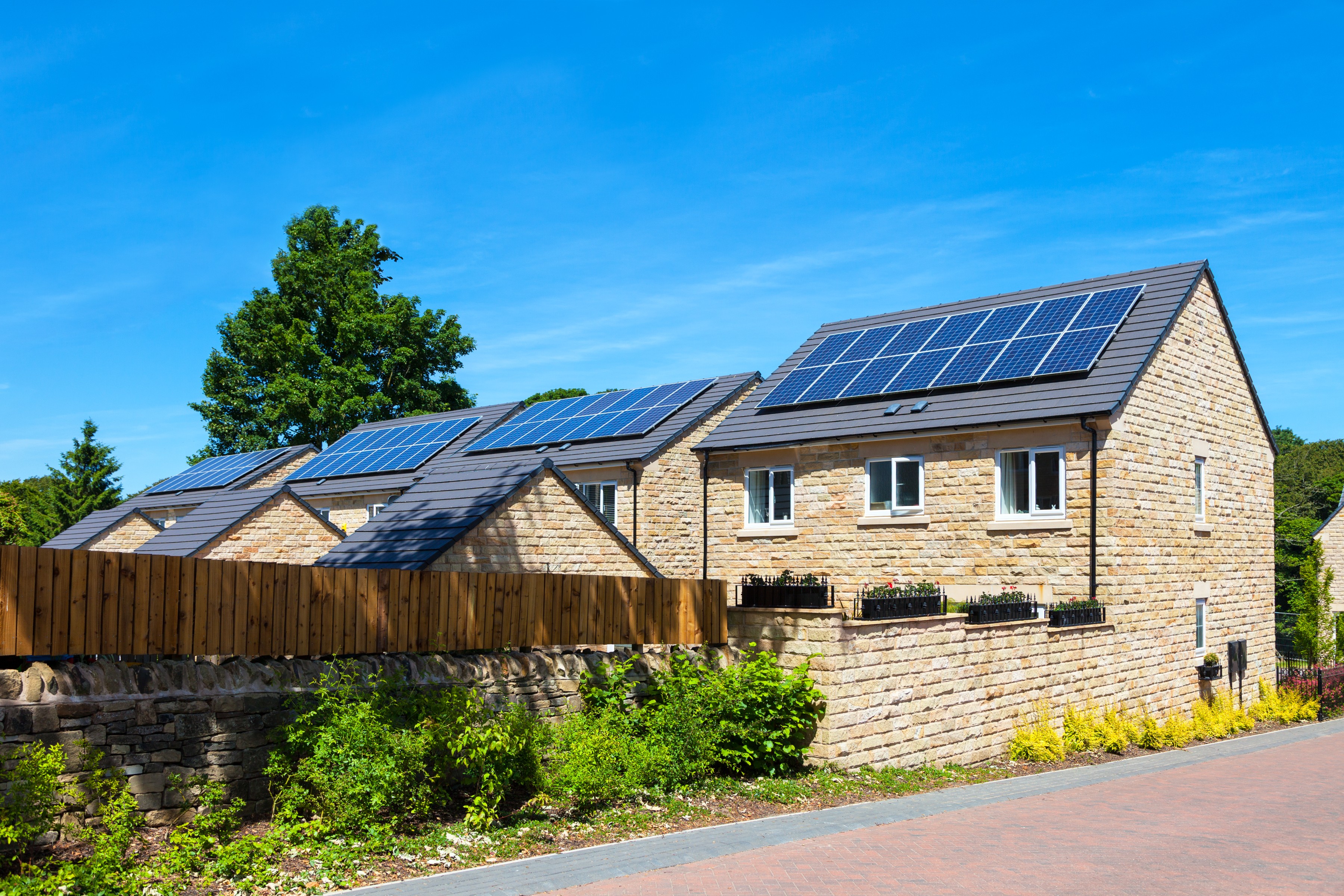
For the solar industry, one of the most significant developments is the introduction of a requirement for on-site renewable electricity generation in new residential buildings. In practical terms, solar photovoltaic (PV) generation is set to become a standard consideration in the design and construction of new homes, rather than an optional environmental upgrade.
But the changes go considerably further than putting solar panels on roofs. They represent a fundamental shift in how we think about energy consumption, generation and storage within the built environment.
What are the Future Homes and Buildings Standards 2026?
The Future Homes and Buildings Standards are a package of updates to England's Building Regulations, introduced by the Ministry of Housing, Communities and Local Government. Their primary objective is to ensure that new buildings are designed for a lower-carbon future, reducing their reliance on fossil fuels and improving their overall energy performance.
The standards focus on three important areas:
• Energy efficiency: Improving building fabric, insulation and energy performance to reduce the amount of energy buildings require.
• Low-carbon heating: Moving towards lower-carbon alternatives, including heat pumps, rather than traditional fossil-fuel heating systems.
• Renewable electricity generation: Increasing the use of on-site renewable electricity, particularly solar PV in new residential developments.
The intention is straightforward: buildings constructed under the new standards should be better equipped for an increasingly electrified energy system, without requiring significant retrofitting as the electricity grid decarbonises. In other words, sustainability needs to be built into the property from the outset, rather than added as an afterthought.
When do the new standards come into effect?
Although published in March 2026, the new regulations generally come into force on 24 March 2027.
There are separate commencement arrangements for higher-risk buildings, where relevant requirements come into force on 24 September 2027.
Transitional arrangements also apply to certain developments already progressing through the building control process. Developers should establish which requirements apply to their individual projects, taking account of the relevant applications, notices and commencement dates.
For housebuilders and property developers, the message is clear: the time to consider these requirements is now. Developments being designed, planned or commissioned today may need to account for the new standards.
Solar panels: A major change for new homes
Perhaps the most significant change for the solar industry is the introduction of a new functional requirement under Part L of the Building Regulations, known as Requirement L3: Renewable Electricity Generation.
Under this requirement, when a new building containing one or more dwellings is constructed, a system for on-site renewable electricity generation must be installed. For most new homes, solar PV will be the most practical and familiar way of meeting this requirement.
This is a significant change in approach. Solar generation moves from being something a housebuilder might choose to offer as an optional upgrade to something that must be considered as part of regulatory compliance.
How much solar generation will be required?
The new Approved Document L provides a methodology for calculating the required level of renewable electricity generation. For an individual dwelling-house, the guidance uses a benchmark based on a photovoltaic array with:
• A panel efficiency equivalent to 0.22 kWp per square metre.
• An installed panel area equivalent to 40% of the dwelling-house's ground-floor area.
The required annual electricity generation is calculated using the approved methodology, rather than simply applying a fixed number of panels to every property.
This does not mean that every home will necessarily have solar panels covering exactly 40% of its roof. The regulations take account of the building's design and surroundings, and provide for circumstances where installing a system capable of generating a reasonable output is not possible. Roof orientation, shading, available space and other site-specific considerations are therefore important.
For apartment developments and larger residential buildings, the system must also be designed so that the electricity generated is available for the benefit of residents. This may involve generation being made available to individual dwellings or through communal arrangements.
There are also specific exceptions, including circumstances where equivalent renewable electricity generation is provided through an alternative qualifying arrangement. The direction of travel, however, is unmistakable: renewable electricity generation is becoming a fundamental part of new residential construction.
It's not just about solar panels: The case for battery storage
One of the questions developers should be asking is whether installing solar panels alone is enough. Solar PV generates electricity during daylight hours, with output varying according to the time of year, weather conditions and the property's orientation. However, household electricity consumption does not necessarily coincide with periods of peak solar generation.
Without battery storage, surplus electricity generated during the day may be exported to the electricity grid, only for the property to import electricity later when demand increases and solar generation falls.
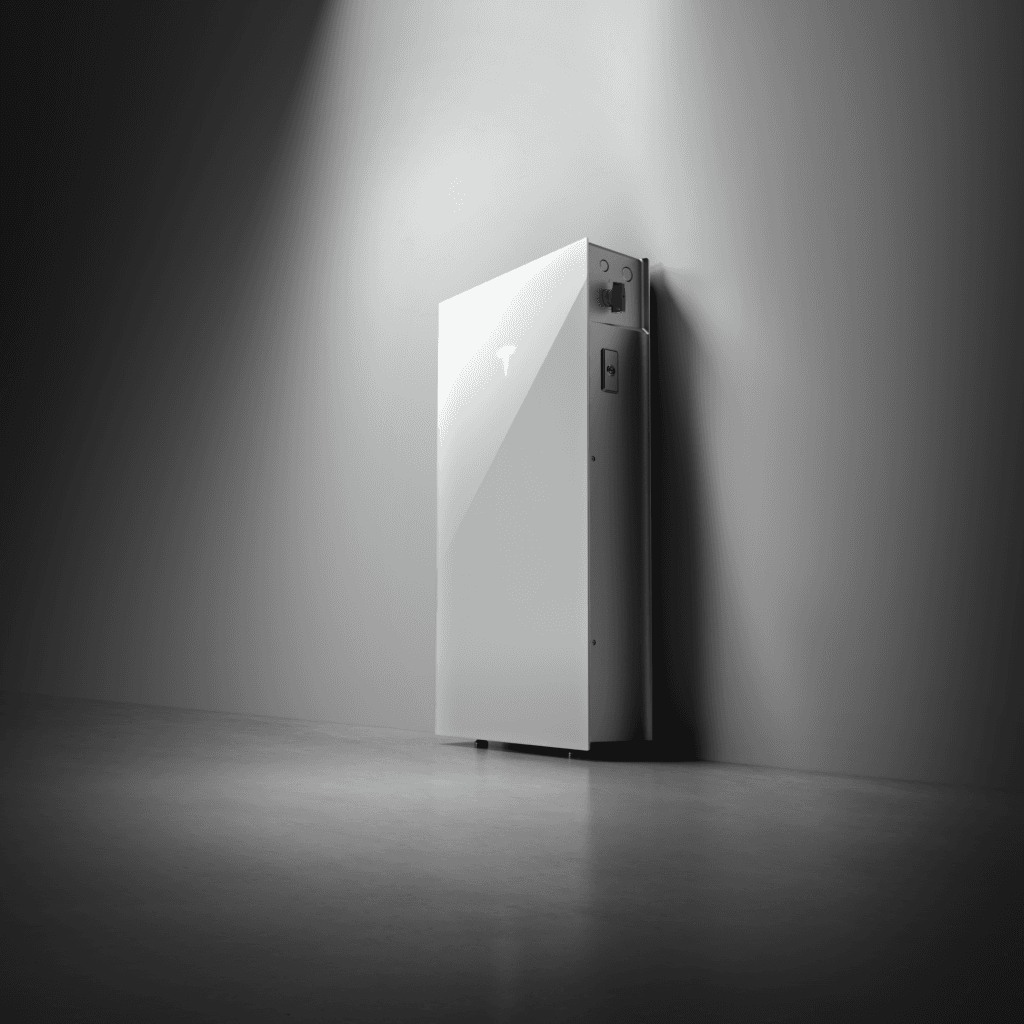
Battery storage provides an opportunity to make much better use of the electricity generated on-site. By storing surplus solar electricity, a battery can help households use more of their own generation in the evenings and overnight, reducing reliance on imported electricity.
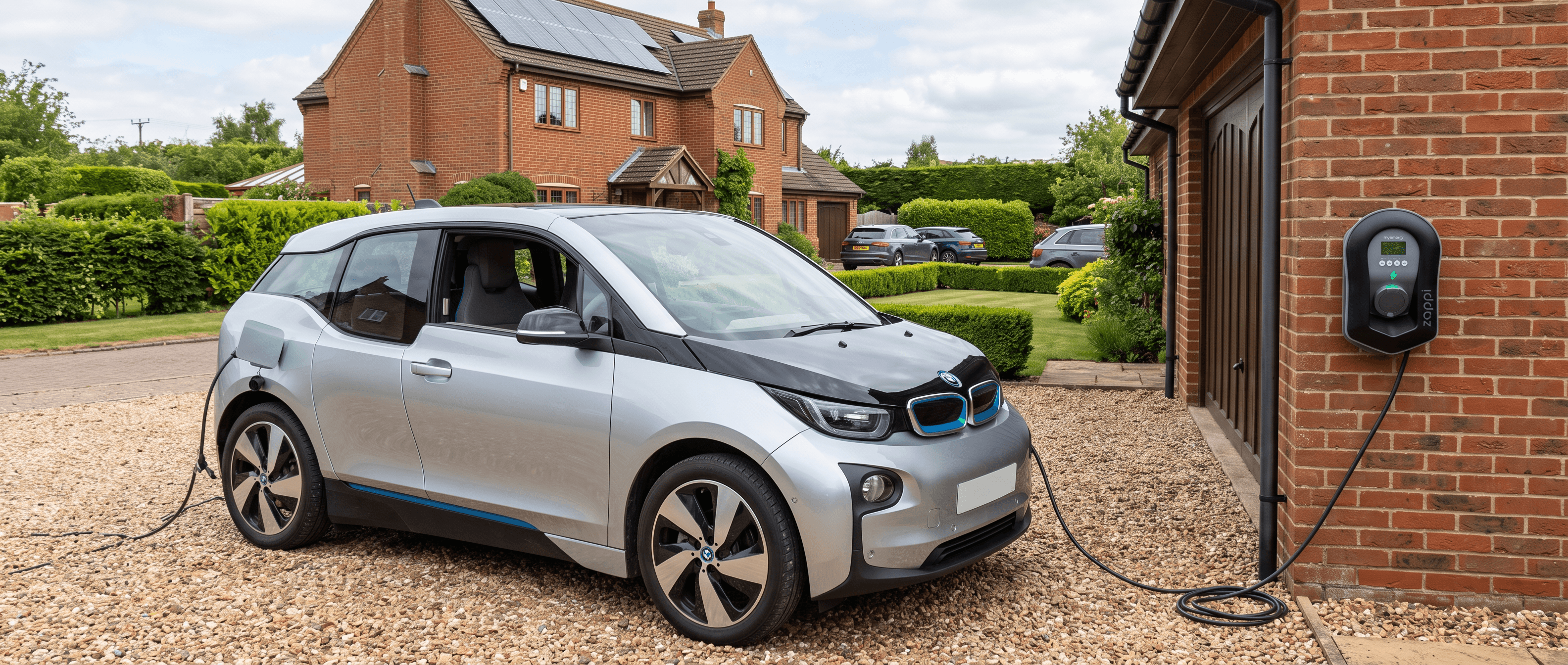
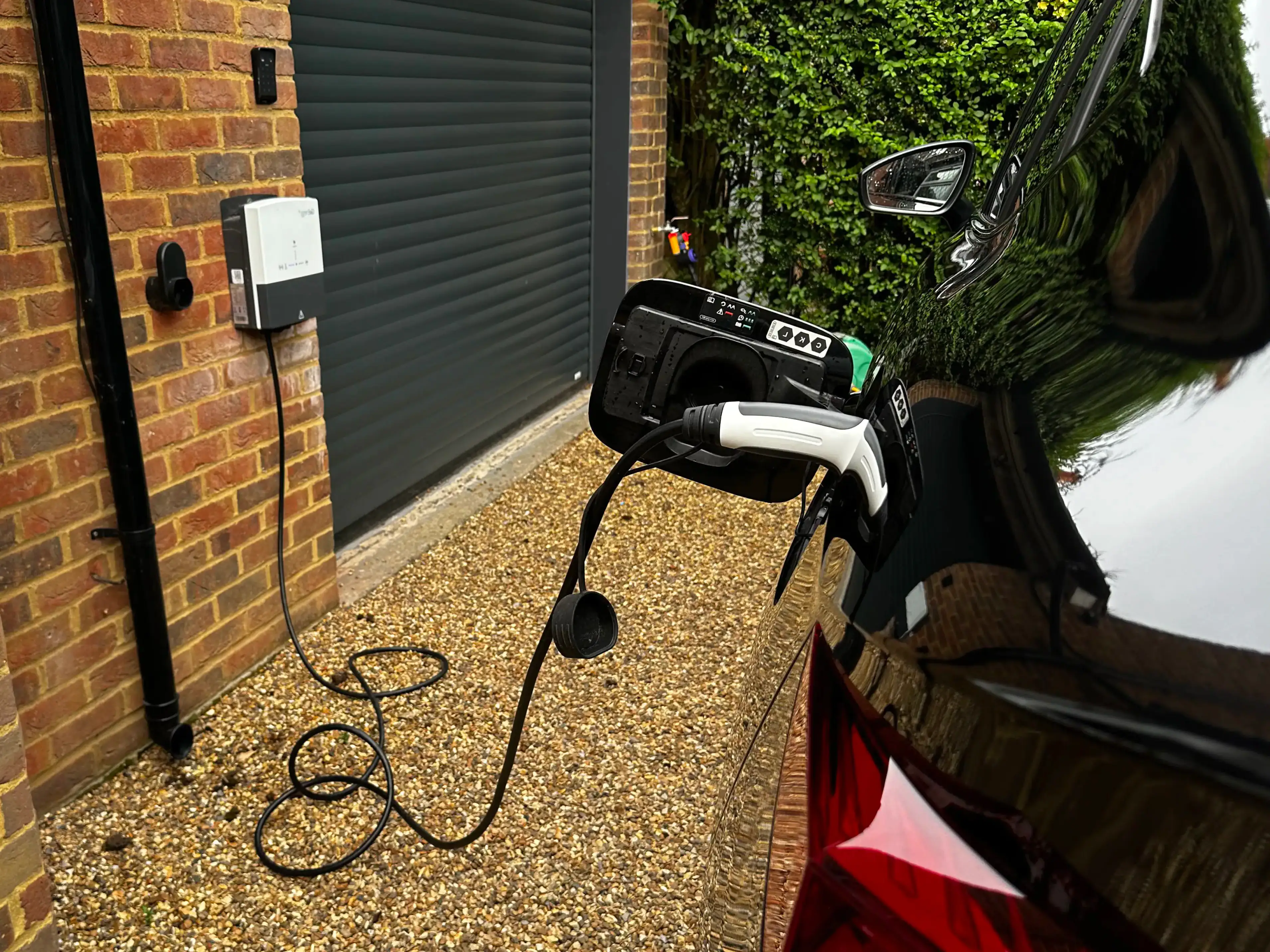
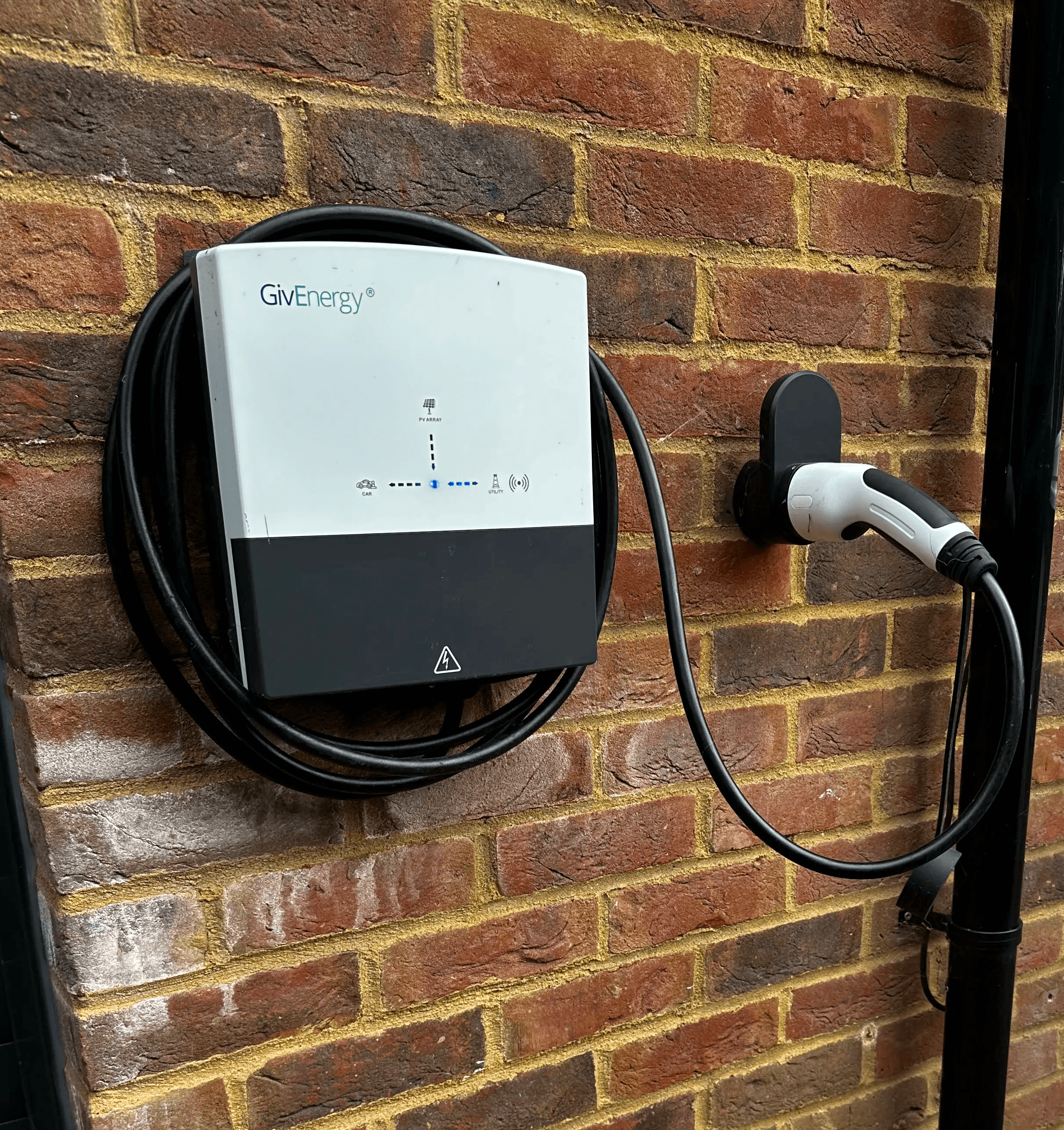
It can also provide additional flexibility when combined with suitable energy tariffs, intelligent controls and electric vehicle charging.
It is important to distinguish between regulatory requirements and the wider opportunity: the new standards require renewable electricity generation, not a battery installation in every new home.
However, as homes become increasingly dependent on electricity for heating, hot water, cooking, transport and everyday living, the case for considering battery storage as part of an integrated energy system becomes increasingly compelling. For developers, designing for battery storage from the outset can also avoid some of the practical and installation challenges associated with retrofitting it later.
Low-carbon heating and the electrification of homes
Another important element of the Future Homes and Buildings Standards is the transition towards low-carbon heating. Traditional gas boilers have played a central role in heating UK homes for decades. However, the new standards are designed to move new buildings towards lower-carbon heating solutions.
Heat pumps are expected to play an important role in this transition, using electricity to transfer heat rather than generating it through the combustion of fossil fuels. This creates an important relationship between heating and electricity generation.
A home with a heat pump will have a different electricity demand profile from one heated by a traditional gas boiler. When combined with solar PV and battery storage, there is an opportunity to use locally generated renewable electricity to support heating and other household requirements.
The benefits are not simply environmental. A well-designed system can help manage electricity consumption, reduce exposure to energy price fluctuations and improve the overall energy performance of a property. The challenge for developers is to consider these technologies as a connected system rather than a collection of independent installations.
What about commercial buildings?
Although the new renewable electricity generation requirement under L3 specifically relates to new buildings containing dwellings, the wider Future Homes and Buildings Standards also introduce changes relevant to non-domestic buildings.
The updated requirements place greater emphasis on energy efficiency, reducing greenhouse gas emissions and ensuring that building services operate effectively. For commercial property developers and building owners, this creates an opportunity to consider solar PV as part of a broader energy strategy.
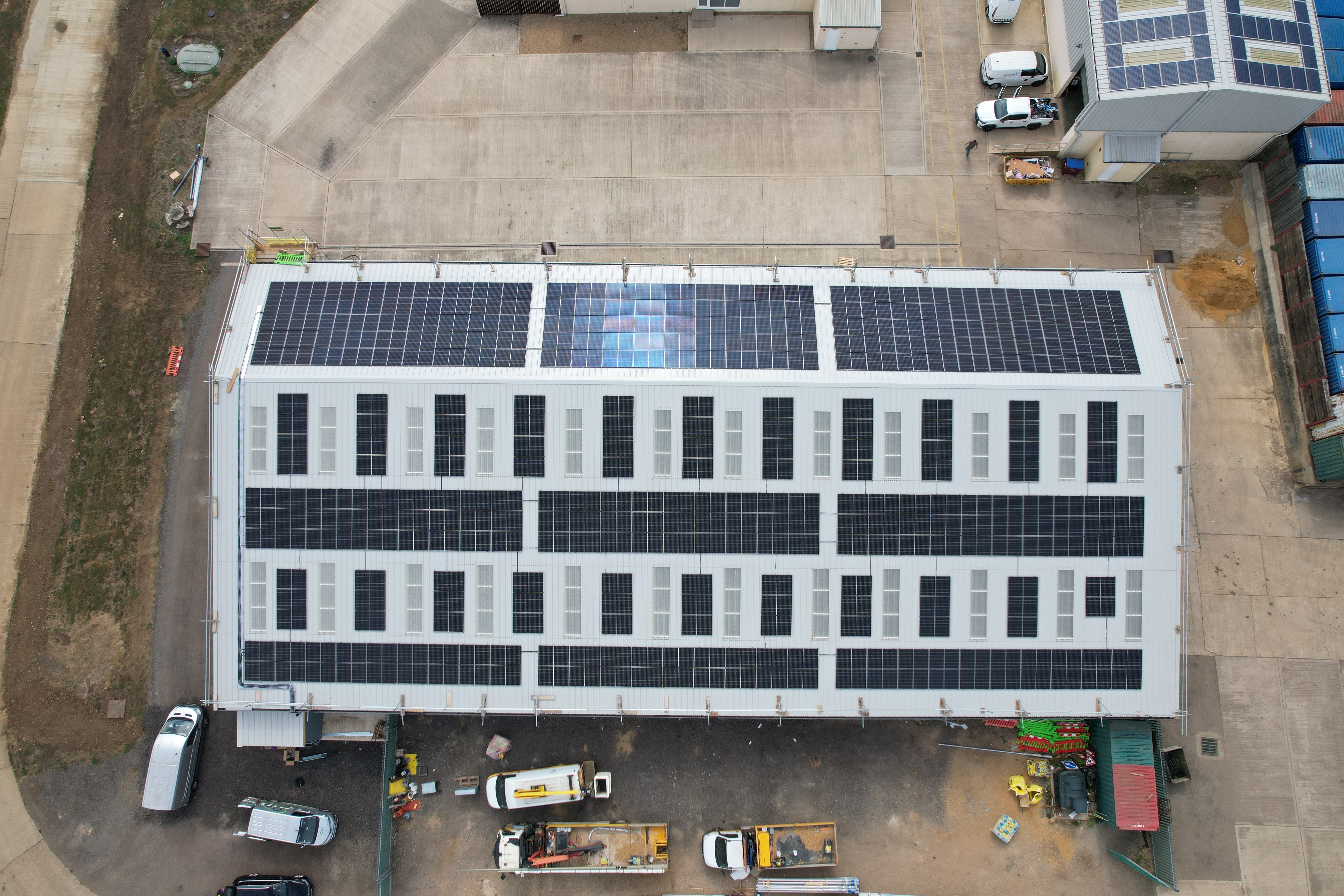
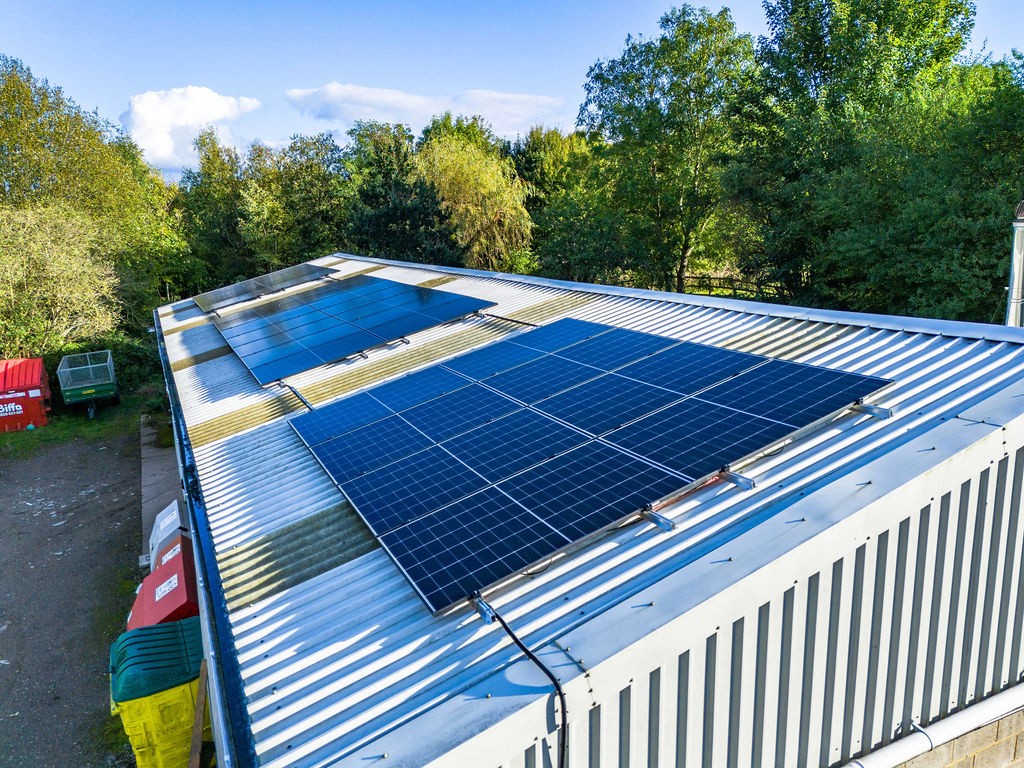
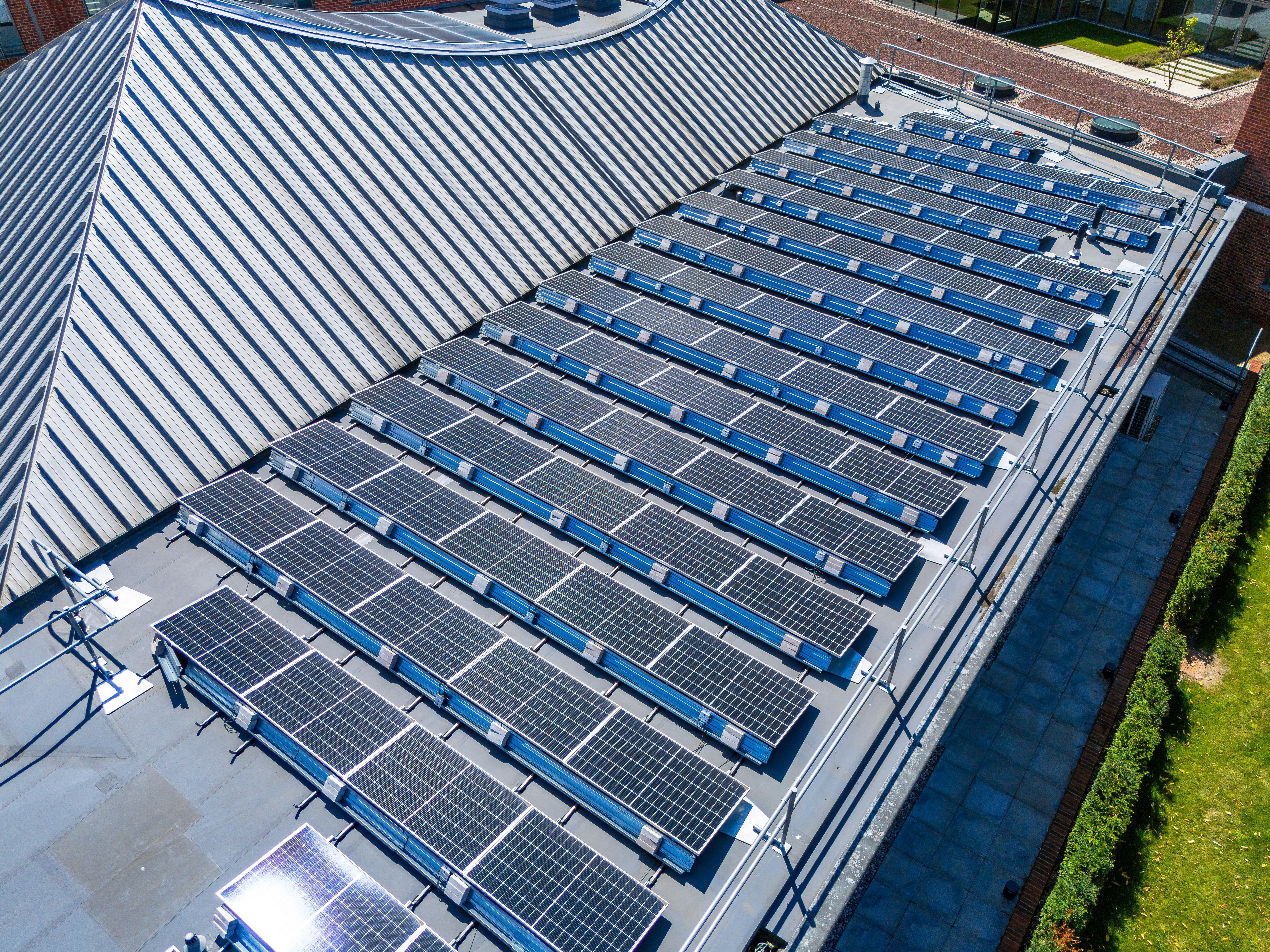
Commercial buildings often have a particularly attractive profile for solar generation. Offices, warehouses, industrial units and other business premises frequently have substantial roof areas and electricity consumption during daylight hours. This can make on-site solar generation particularly valuable, as electricity can be used directly by the business rather than exported to the grid.
Battery storage can further improve the economics by allowing surplus generation to be stored and used when demand increases or solar generation falls. For businesses with significant electricity consumption, integrating solar PV and battery storage into the original building design can deliver long-term operational benefits.
While the new standards should not be interpreted as introducing a blanket solar installation requirement for every new commercial building, they reinforce the importance of considering energy generation and consumption together.
Why developers should be thinking about solar now
The introduction of the Future Homes and Buildings Standards presents both a regulatory challenge and a commercial opportunity. Developers who treat solar PV as a last-minute compliance exercise risk missing the wider benefits of designing an integrated energy system. Considering renewable energy at the planning and design stage allows developers to address several important factors.
Roof design and orientation
Roof pitch, orientation, available surface area and shading can all influence solar generation. Considering these factors early can help maximise generating capacity and avoid costly design changes later.Electrical infrastructure
The property's electrical infrastructure needs to accommodate renewable generation, appropriate controls and future electricity demand. Distribution Network Operator (DNO) requirements and available grid capacity should also be considered.Battery storage provision
Even where battery storage is not initially installed, allocating suitable space and considering the necessary electrical infrastructure can make future installation considerably easier.Electric vehicle charging
As transport becomes increasingly electrified, the relationship between solar generation, battery storage and EV charging will become more important. Designing these systems together can help make better use of locally generated electricity.Future operating costs and property appeal
Energy-efficient buildings with renewable generation and lower-carbon heating can offer occupants greater control over energy consumption and potentially lower running costs. They may also be more attractive to prospective purchasers and tenants as expectations around energy performance evolve.
Ultimately, the most successful developments will be those that consider the entire energy ecosystem, rather than simply meeting minimum regulatory requirements.
What does this mean for existing homeowners?
It is important to recognise that the Future Homes and Buildings Standards are primarily concerned with the construction of new buildings. They do not mean that existing homeowners are automatically required to install solar panels, batteries or heat pumps.
However, the direction of Government policy is clear. Improving energy efficiency, reducing carbon emissions and increasing the use of renewable electricity are becoming increasingly important considerations for the UK's existing housing stock.
For homeowners, installing solar PV and battery storage remains a practical way to take greater control of household energy consumption.
Whether you are looking to reduce electricity bills, make better use of renewable energy, charge an electric vehicle or improve your home's energy resilience, the technologies underpinning the new standards are already available today.
There is no need to wait until regulations require change to start benefiting from them.
The future of building is about more than compliance
The Future Homes and Buildings Standards 2026 are an important milestone in the evolution of the UK's built environment.
They recognise that the buildings we construct today will need to operate in an increasingly electrified, low-carbon world. Better insulation, lower-carbon heating and renewable electricity generation are no longer peripheral considerations; they are becoming central to how we design and build.
For residential developers, the introduction of mandatory renewable electricity generation represents a particularly important change. Solar PV will increasingly become a standard feature of new homes, while battery storage and intelligent energy management offer opportunities to go further.
For commercial developers and businesses, the emphasis on energy efficiency and reducing emissions reinforces the commercial case for considering on-site renewable generation as part of the building's overall design.
At Chiltern Solar, we believe the opportunity extends well beyond simply installing solar panels to satisfy a regulatory requirement. The real opportunity is to design buildings that generate, store and intelligently manage their own electricity, reducing reliance on the grid and delivering lasting benefits for the people and businesses that occupy them.
The question for developers is no longer simply whether to install solar. It is how to design buildings that make the best possible use of the energy they generate.
Planning a new development or considering solar for your property?
Whether you are a housebuilder, commercial property developer, business owner or homeowner, Chiltern Solar can help you understand the opportunities presented by solar PV, battery storage and integrated energy solutions.
We work with residential and commercial customers to design and deliver renewable energy systems appropriate to their buildings, electricity requirements and longer-term objectives.
Get in touch with Chiltern Solar to discuss your project and find out how renewable energy can form part of your plans for the future.Contact Chiltern Solar
Regulatory references:
• Government: Future Homes and Buildings Standards – Building Circular 01/2026.
• Approved Document L – 2026 edition.
• Government FAQs – Renewable electricity generation (Requirement L3).
• The Building Regulations etc. (Amendment) (England) Regulations 2026.
Share this article
We'd really appreciate you helping to get the word out, you can share this page via any social media channels or to friends and family via WhatsApp.
Other recommended news items
In our news items, we share company updates and commentary on wider events within the renewable energy market.